Ocean & Marine Life Coloring Collection - 26 Educational Pages
Explore 26 printable ocean and marine-life coloring pages designed for curious learners, families, and classrooms. The collection moves from coral reefs and seafloors to open water and polar habitats, with sea turtles, sharks, dolphins, rays, reef fish, octopuses, crustaceans, sea lions, penguins, and whales. Each page can support observation, marine vocabulary, habitat comparison, animal adaptations, food-web discussion, and simple ocean stewardship.
Animals · 26 pages
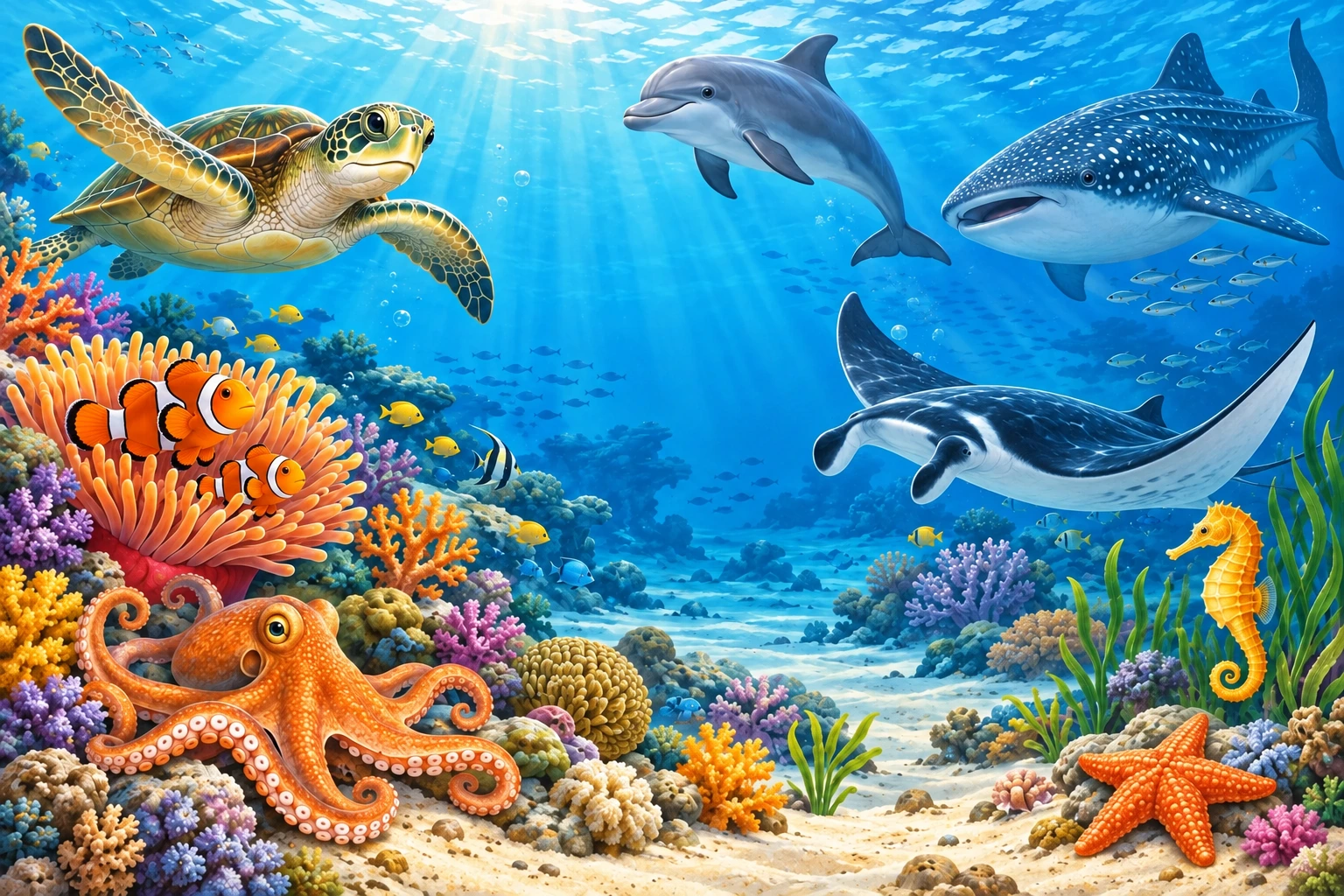
A classroom-ready ocean learning guide
Use these 26 printable pages to compare coral reefs, sandy seafloors, open water, and polar habitats while introducing animal adaptations, biodiversity, food webs, and simple ocean stewardship.
Easy classroom activities
- Sort pages by habitat and explain each choice.
- Circle an adaptation and describe what it helps the animal do.
- Connect a plant or plankton, a small animal, and a larger animal with food-web arrows.
Learning goals
- Name and compare ocean habitats.
- Identify visible adaptations such as fins, shells, tentacles, and camouflage.
- Use simple food-web vocabulary and choose one action that helps protect waterways.
Marine life facts
- Seal: Scientists think seals can use their whiskers to feel vibrations made by swimming prey. Fact source
- Seahorse: In seahorses, the male carries the developing young and gives birth. Fact source
- Sea turtle: Sea turtles are reptiles that breathe air with lungs, even though they spend much of their lives in the ocean. Fact source
- Sea star: Many sea stars can regrow a lost arm through a process called regeneration. Fact source
- Octopus: An octopus has three hearts, and its blood is blue because it uses a copper-based oxygen carrier. Fact source
- Stingray: Stingrays are fish with skeletons made of flexible cartilage instead of hard bone. Fact source
- Jellyfish: Jellyfish do not have a brain; a network of nerves helps them sense their surroundings. Fact source
- Crab: Crabs are invertebrates, so they have no backbone; their hard outer shell helps protect their bodies. Fact source
- Clownfish: Clownfish can live among a sea anemone's stinging tentacles, which can give them a safe place to hide. Fact source
- Whale: Whales are mammals: they breathe air with lungs, and mothers feed milk to their calves. Fact source
- Orca: Orcas are the largest members of the dolphin family, even though their common name includes the word whale. Fact source
- Shark: Sharks have skeletons made of cartilage instead of bone, like the flexible material in our ears and noses. Fact source
- Manta ray: Giant manta rays can grow to about 26 feet across and filter tiny plankton from the water. Fact source
- Dolphin: Dolphins use sound, including echolocation, to communicate and help find prey. Fact source
- Hammerhead shark: Hammerhead sharks are named for their wide, hammer-shaped heads. Fact source
- Whale shark: The whale shark is the world's largest fish, and it feeds by filtering plankton and other tiny food from the water. Fact source
- Green sea turtle: Green sea turtles are the only sea turtle species that is primarily herbivorous, eating mostly seagrass and algae. Fact source
- Reef ray: Rays and sharks are cartilaginous fish, so their skeletons are made of flexible cartilage instead of hard bone. Fact source
- Coral reef garden: Corals are animals made of tiny polyps, and reef colonies create shelter for many other ocean species. Fact source
- Clownfish and sea anemone: Clownfish can live among a sea anemone's stinging tentacles, which can give them a safe place to hide. Fact source
- Moray eel: Moray eels have a second set of jaws in their throats that helps pull food inward for swallowing. Fact source
- Lobster: Lobsters are bottom-dwelling omnivores that may eat crabs, mollusks, worms, sea stars, fish, and algae. Fact source
- Pufferfish: When threatened, pufferfish can inflate their bodies by pumping water or air into their stomachs. Fact source
- Sea lion: Sea lions swim by sweeping their strong front flippers, then tucking them close as they glide. Fact source
- Penguin: Penguins are birds with flipper-like wings that help them swim through the ocean. Fact source
- Manta ray with cleaner fish: At cleaning stations, small cleaner fish can remove parasites and dead tissue from manta rays. Fact source
For Teachers & Parents
Use the 12 core animal pages for a short, screen-free marine-life lesson.
- Identify the animals and name one visible adaptation.
- Compare habitats such as reefs, open water, and the seafloor.
- Discuss one everyday action that can help protect marine life.
Pages in this collection
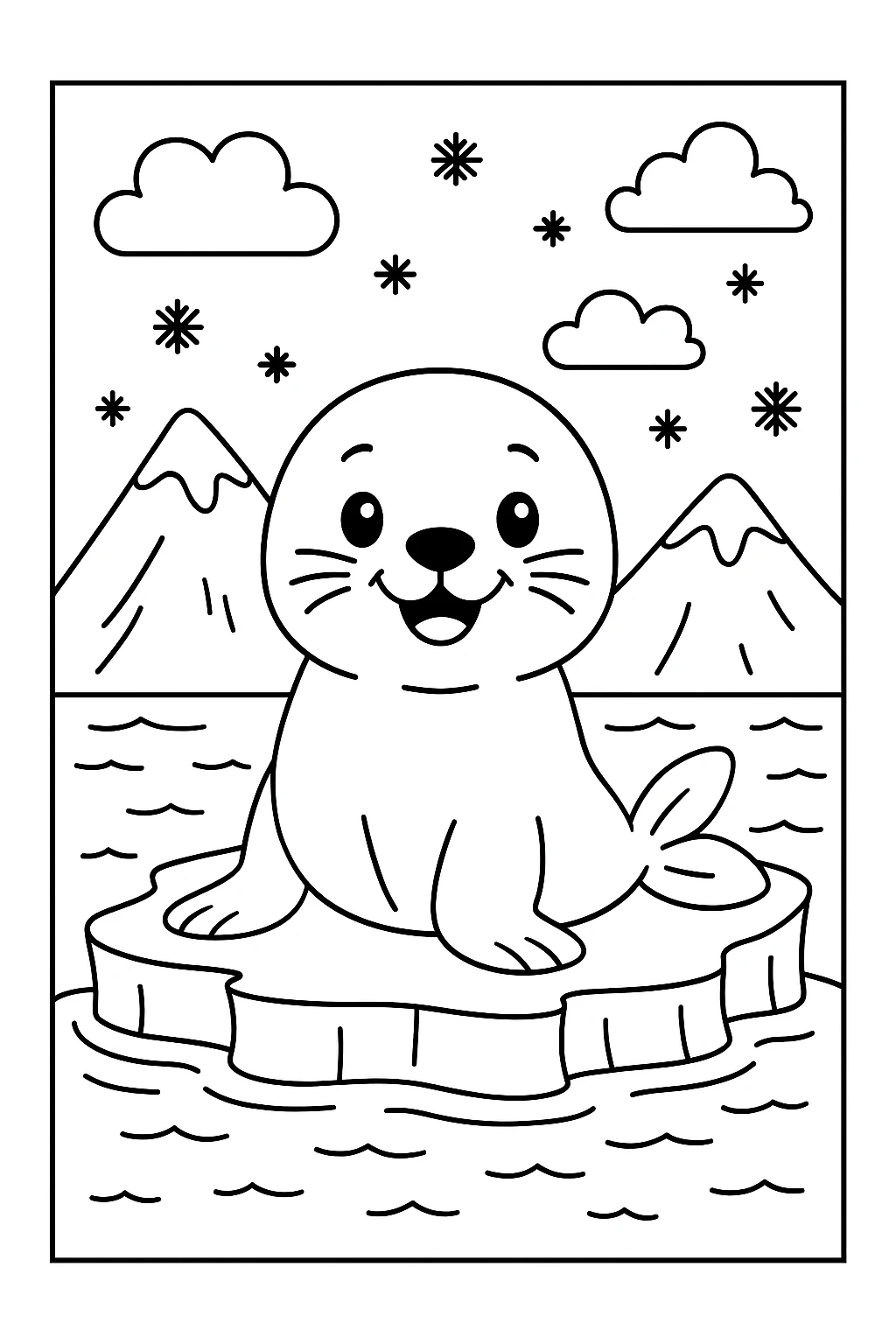 Seal
Seal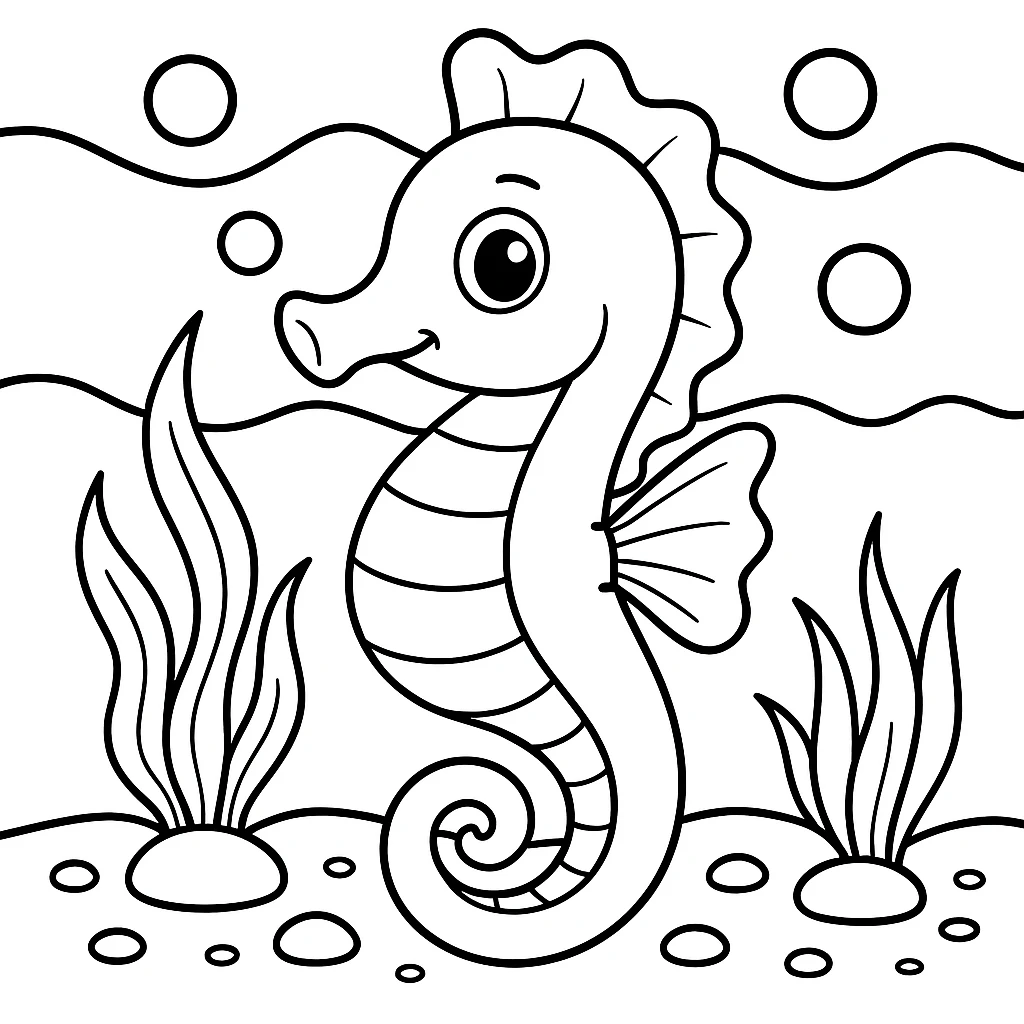 Sea Horse
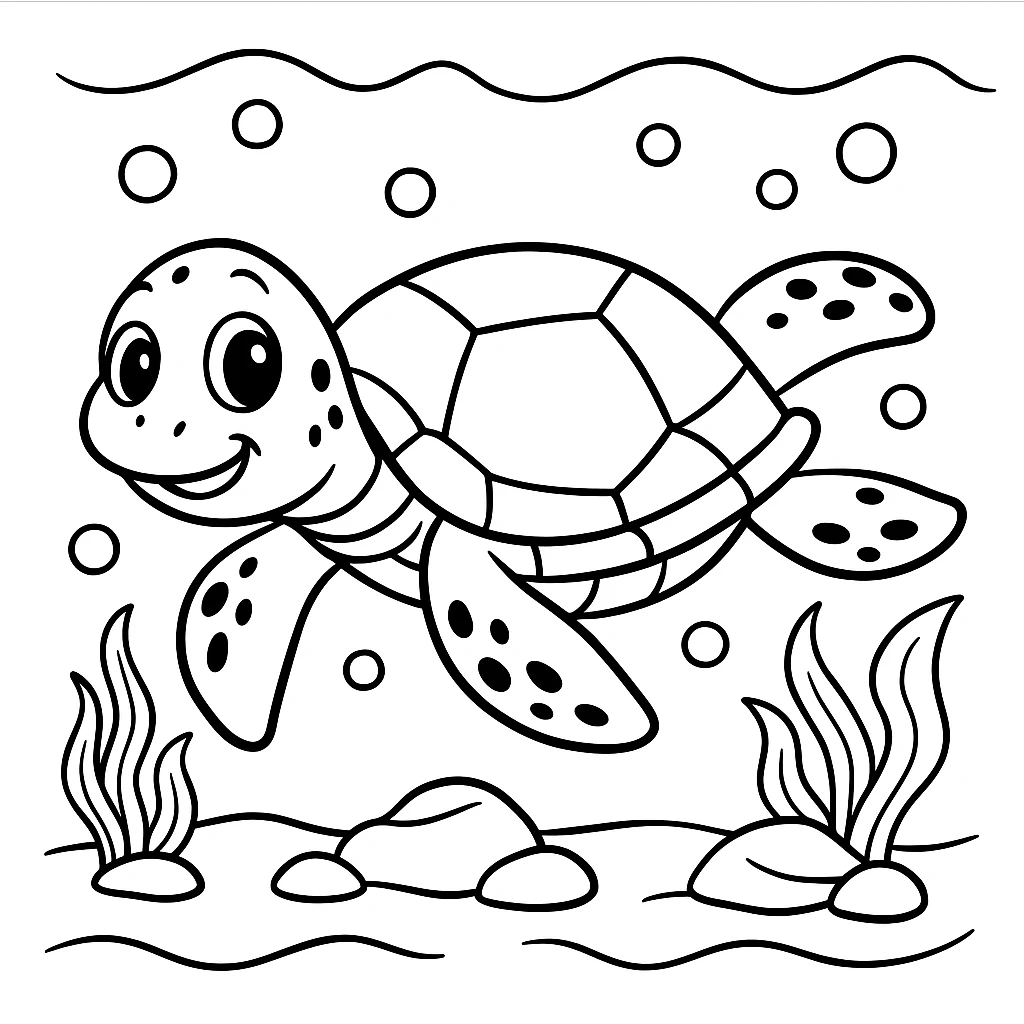 Sea Turtle
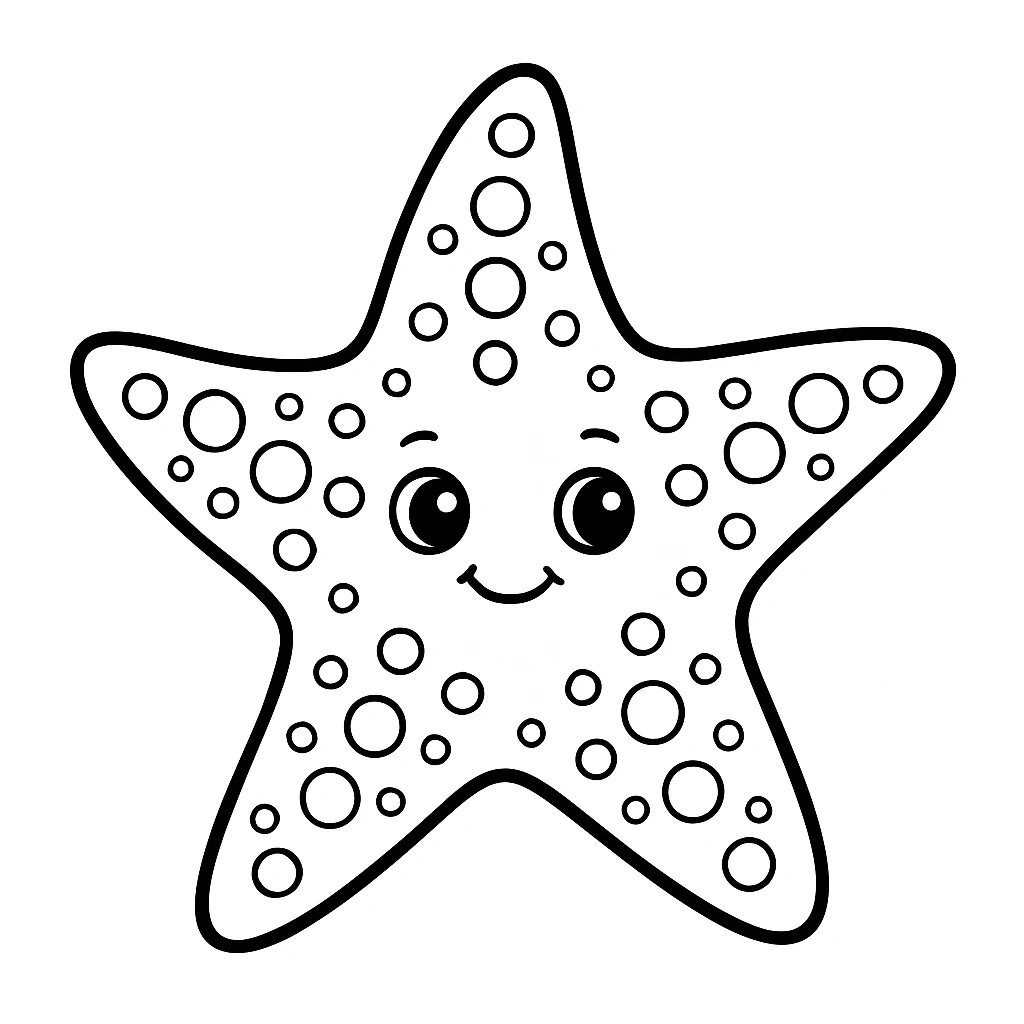 Starfish
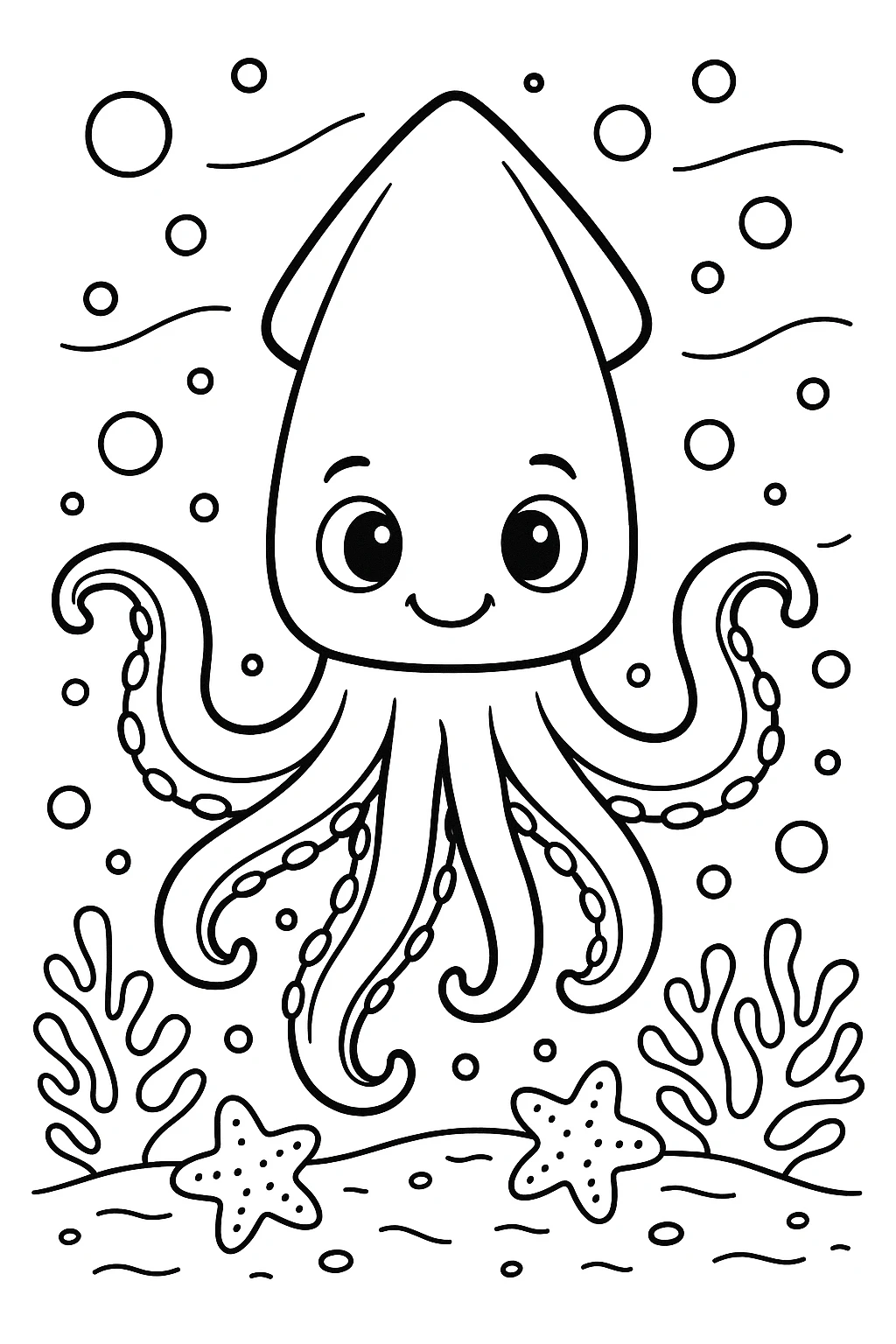 Octopus
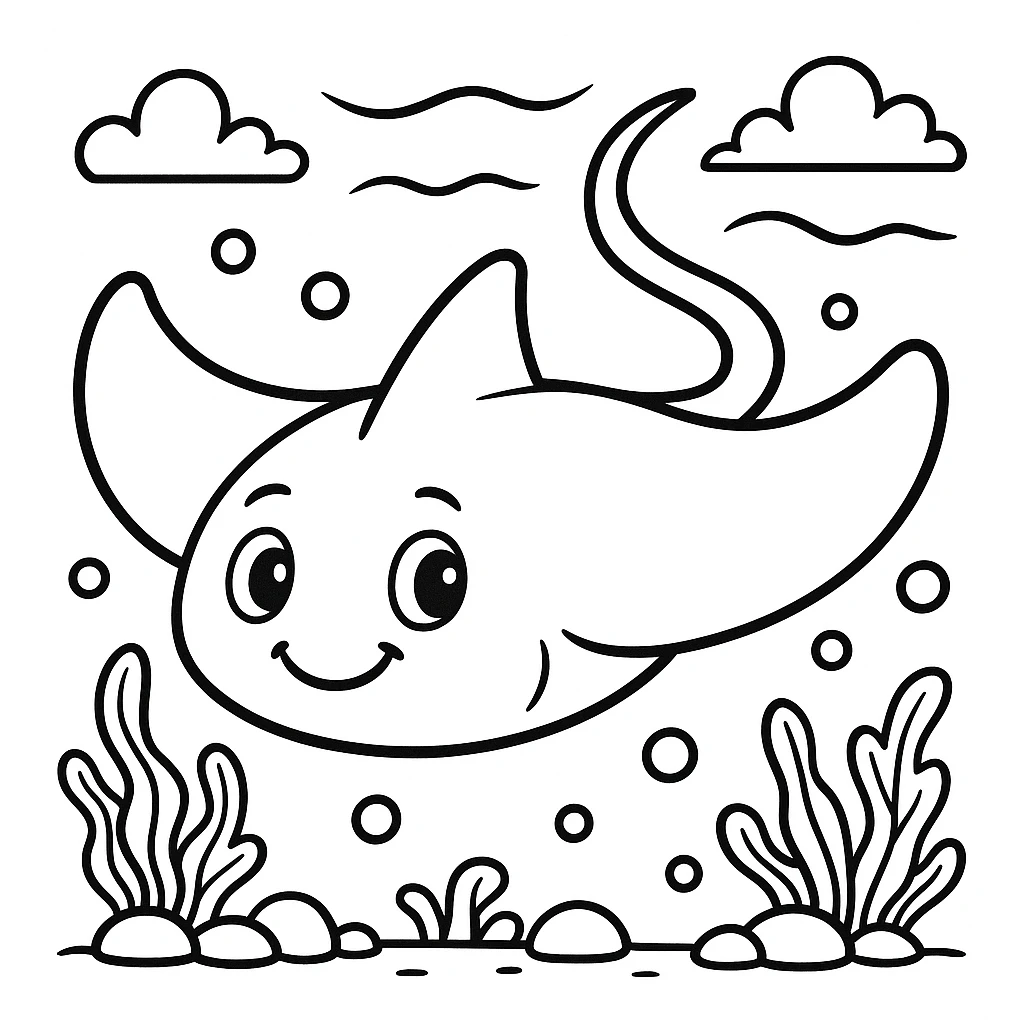 Stingray
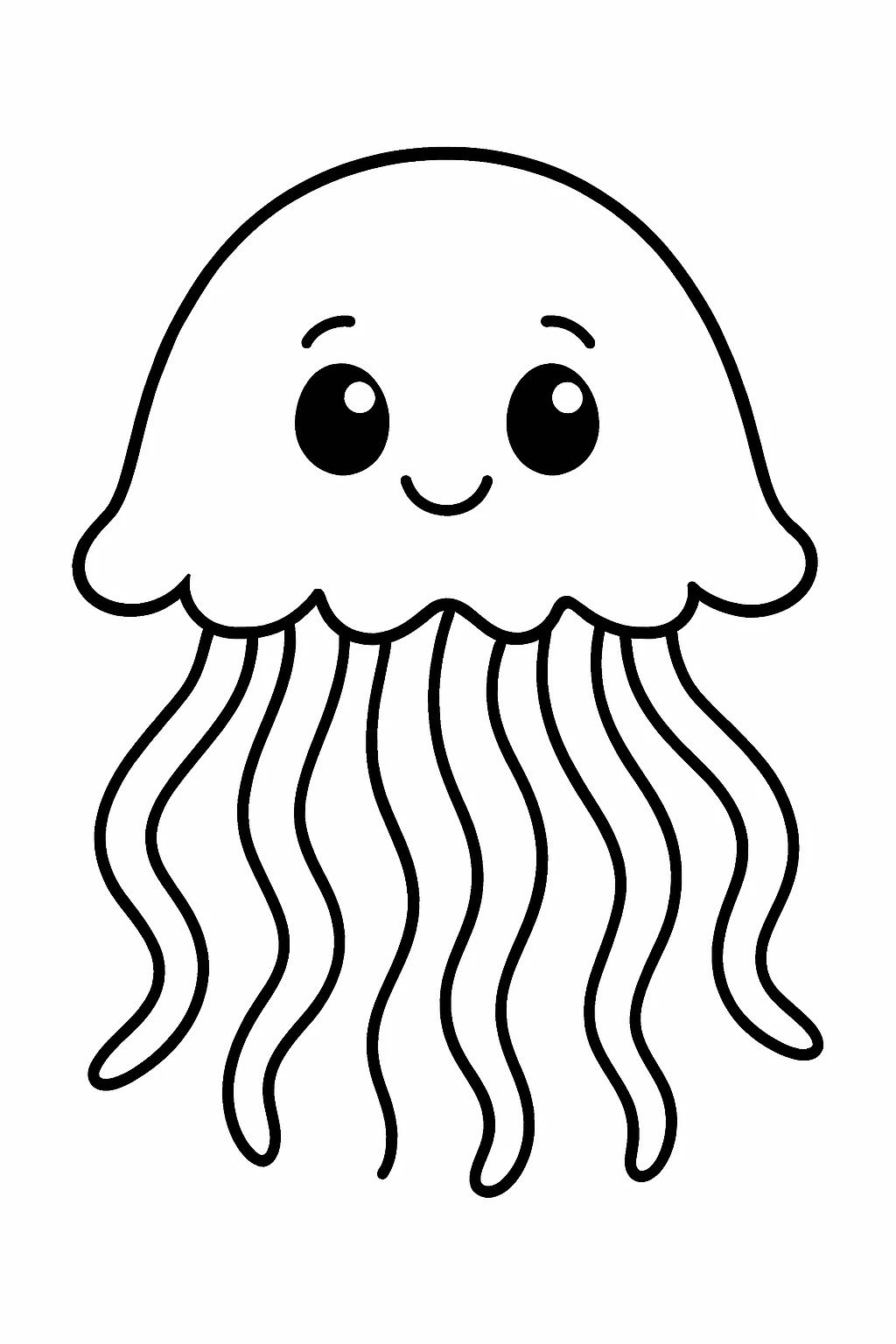 Jellyfish
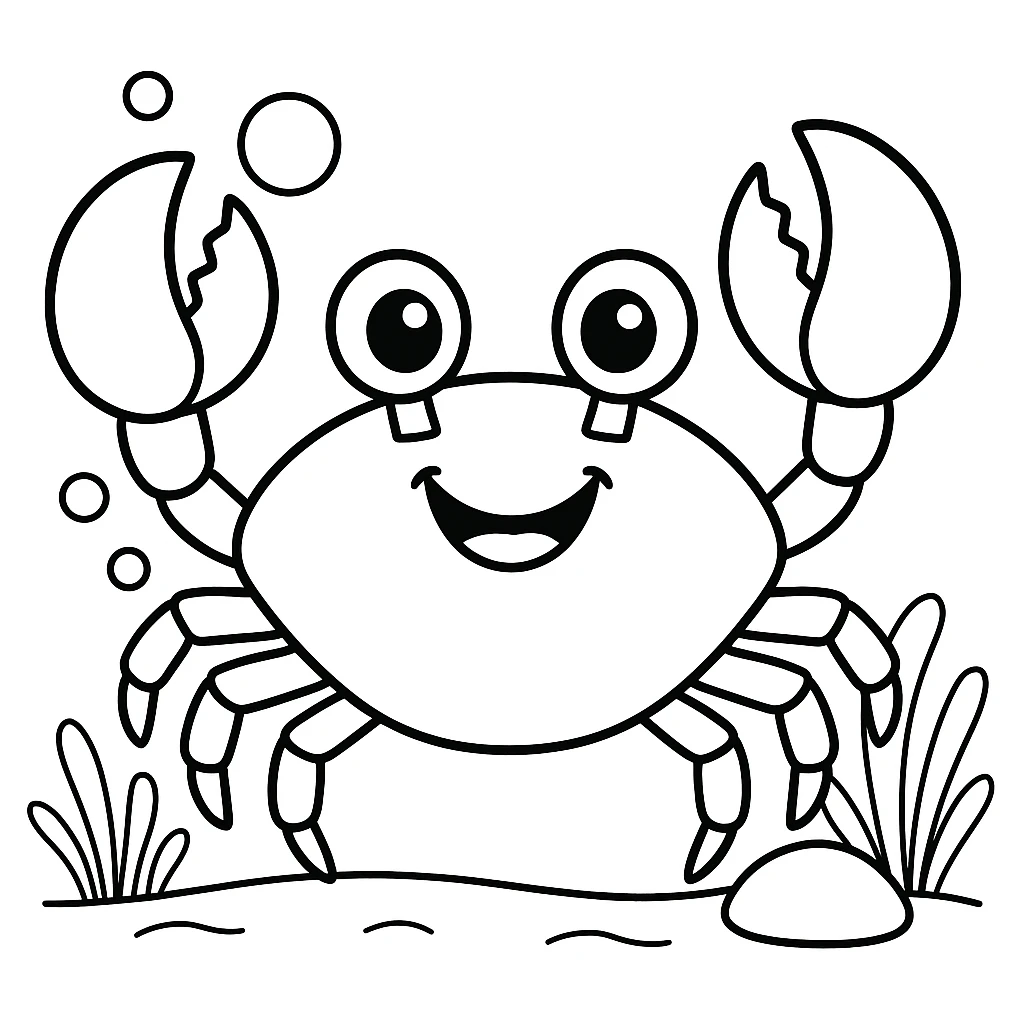 Crab
Crab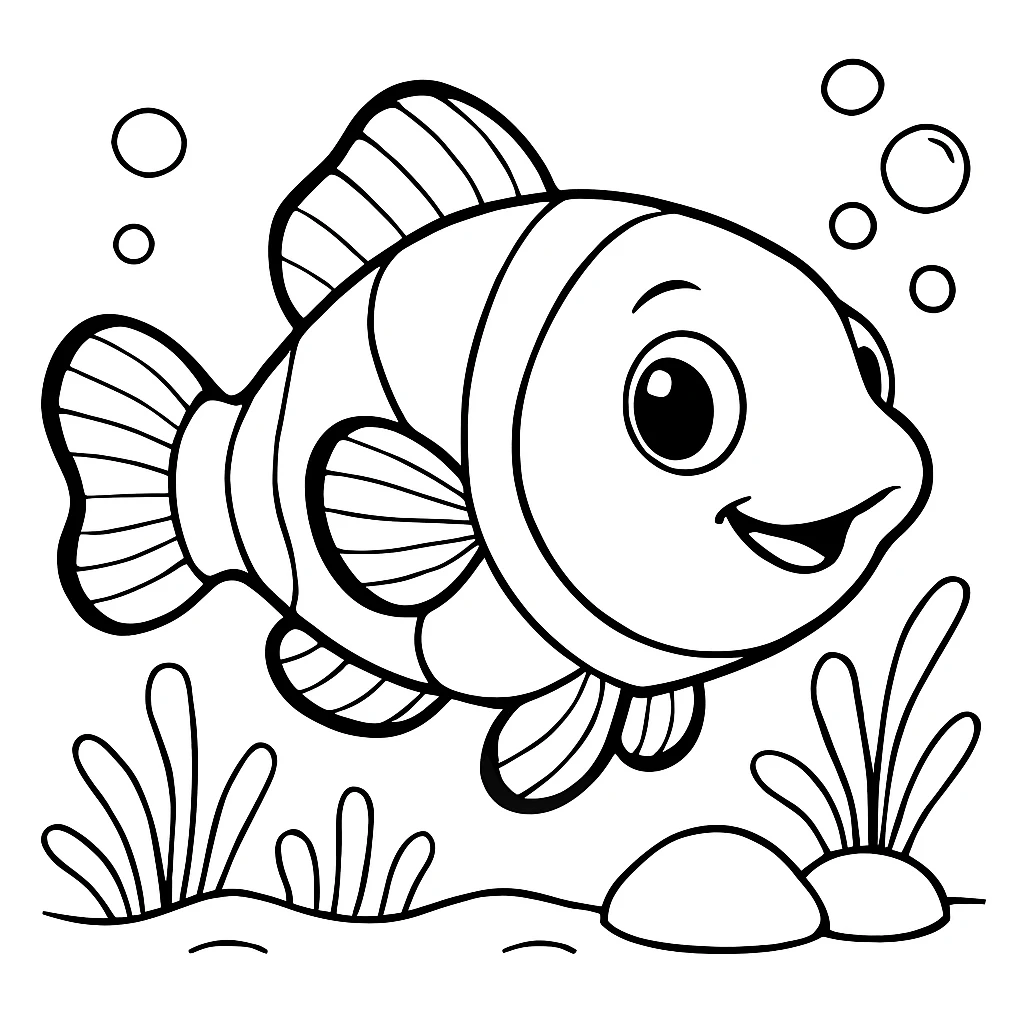 Clownfish
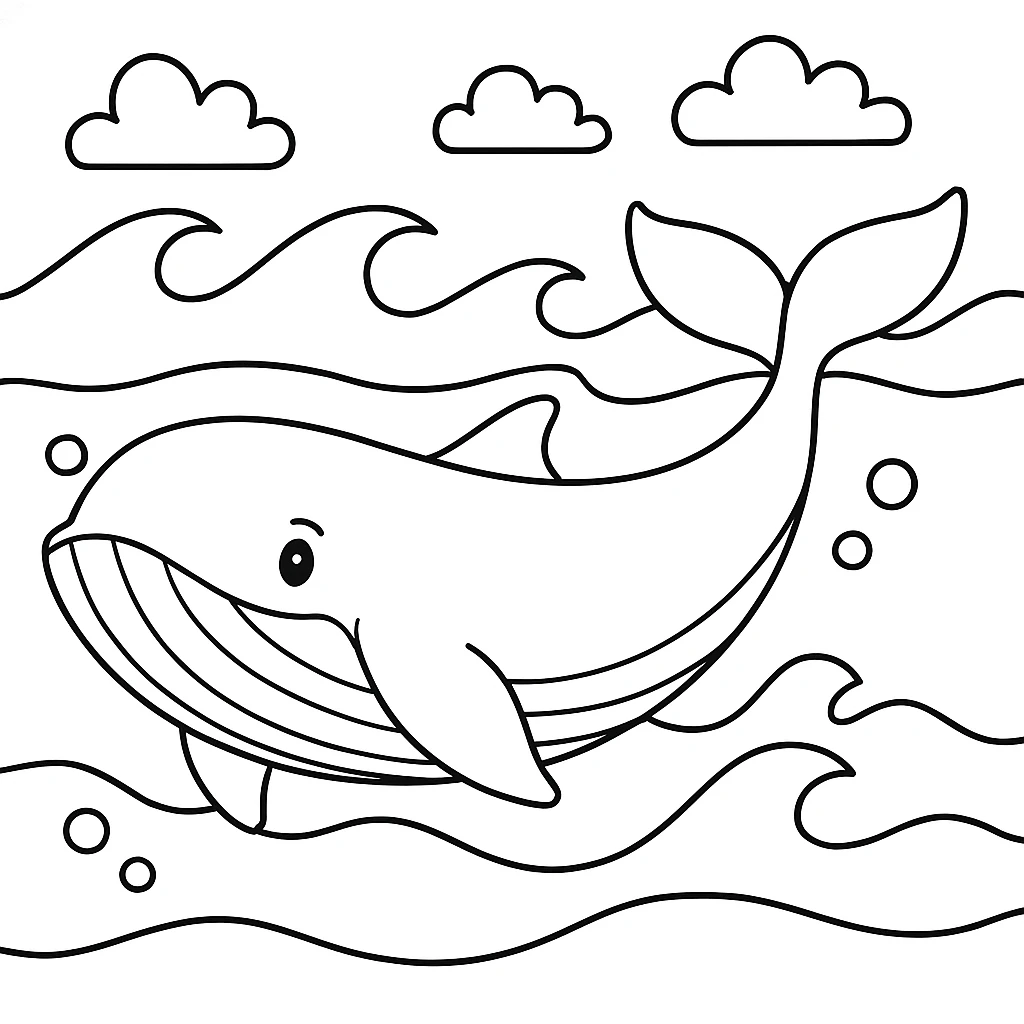 Whale
Whale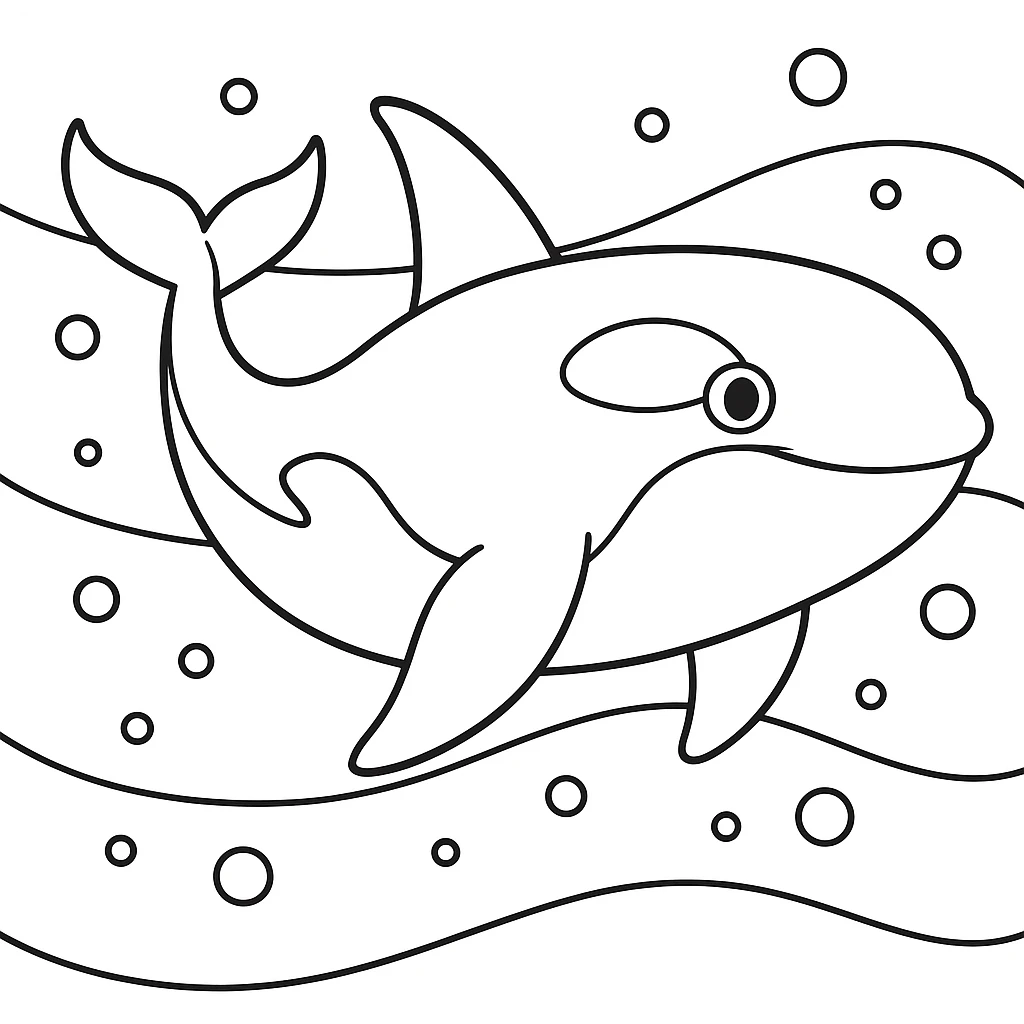 Orca
Orca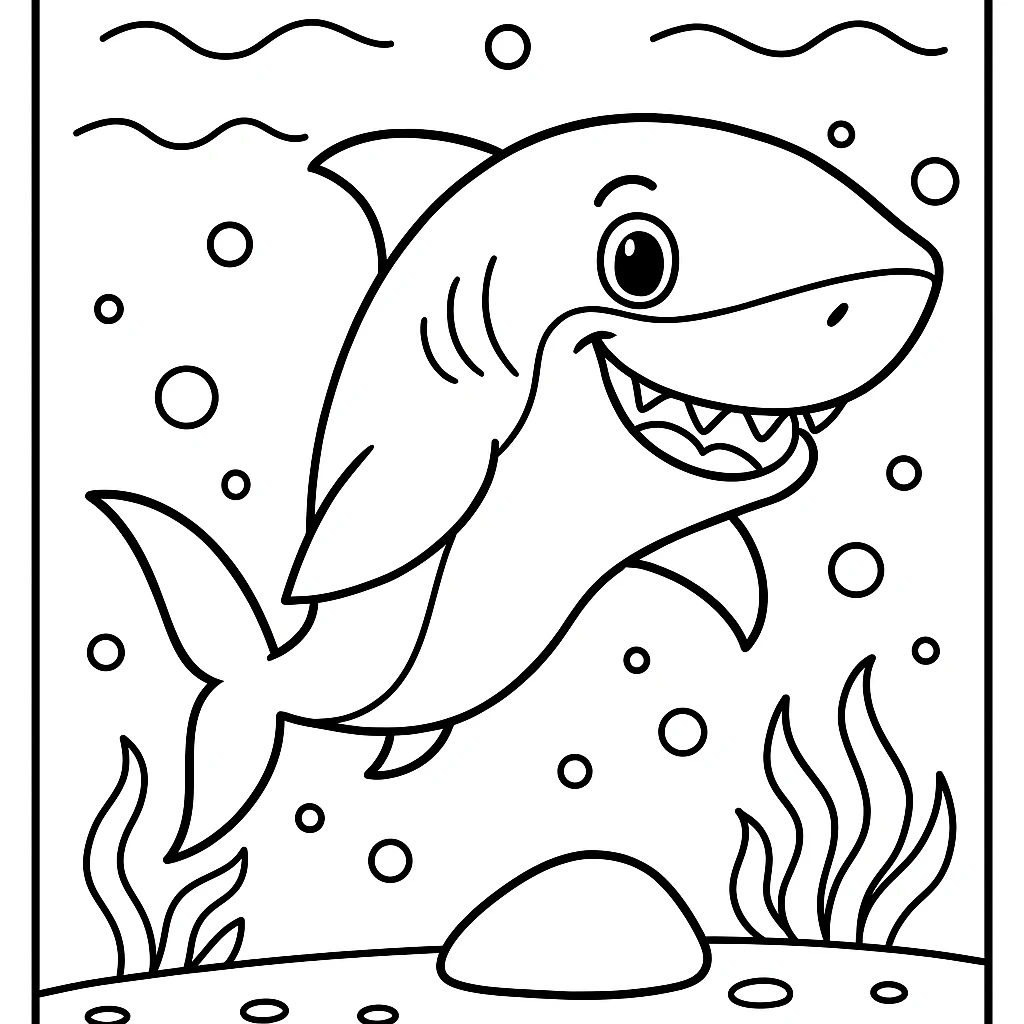 Shark
Shark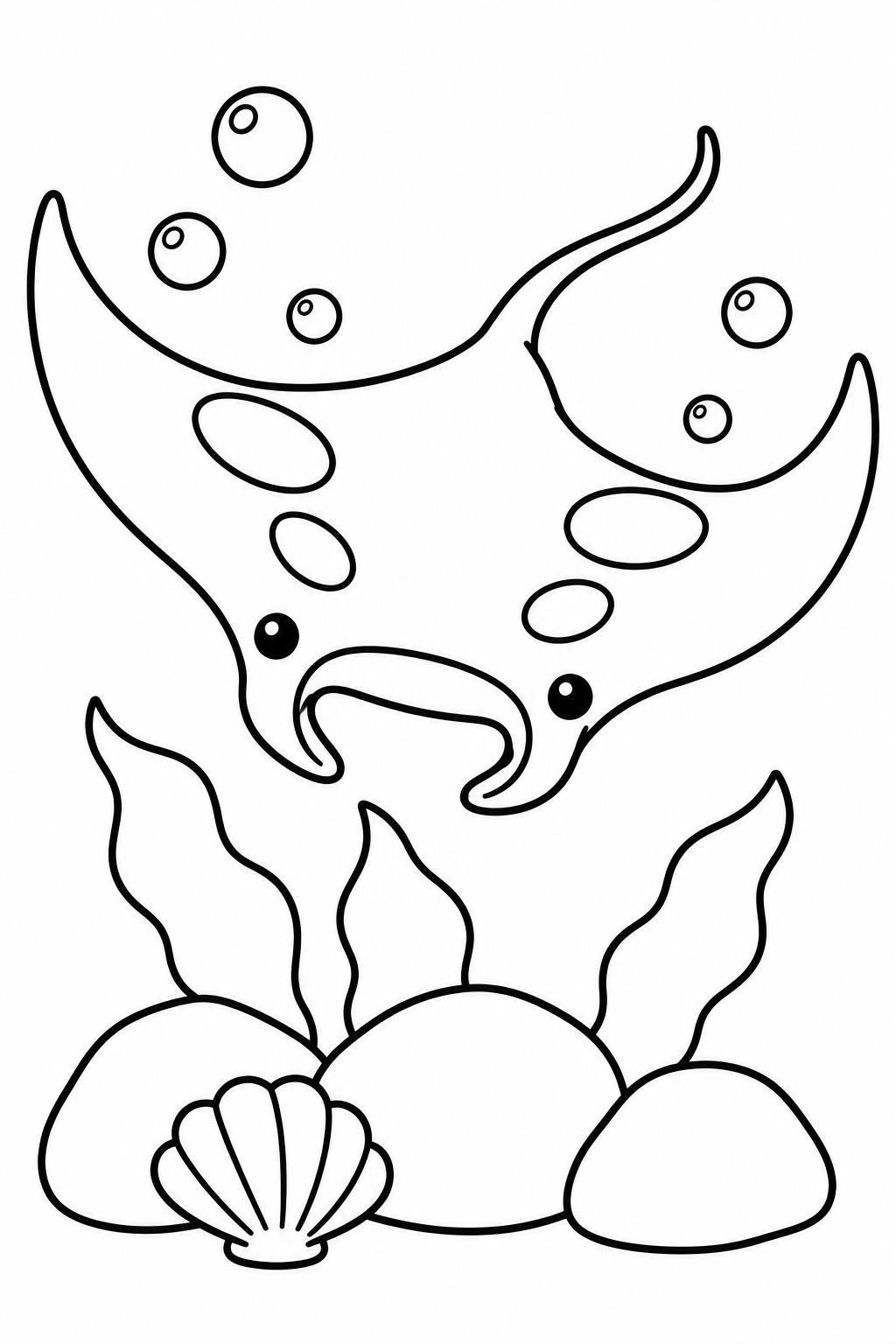 Manta Ray Underwater
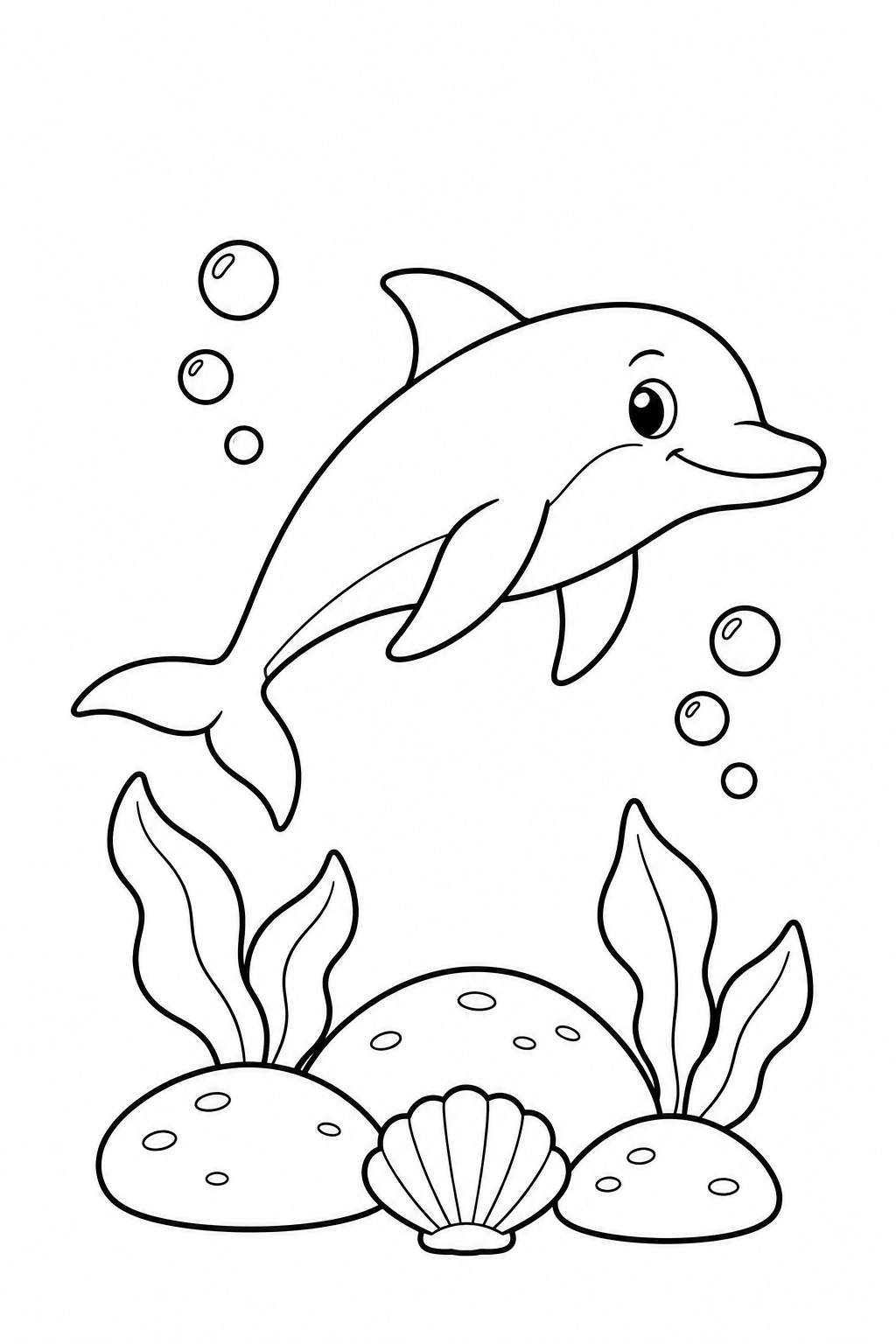 Dolphin Swimming Underwater
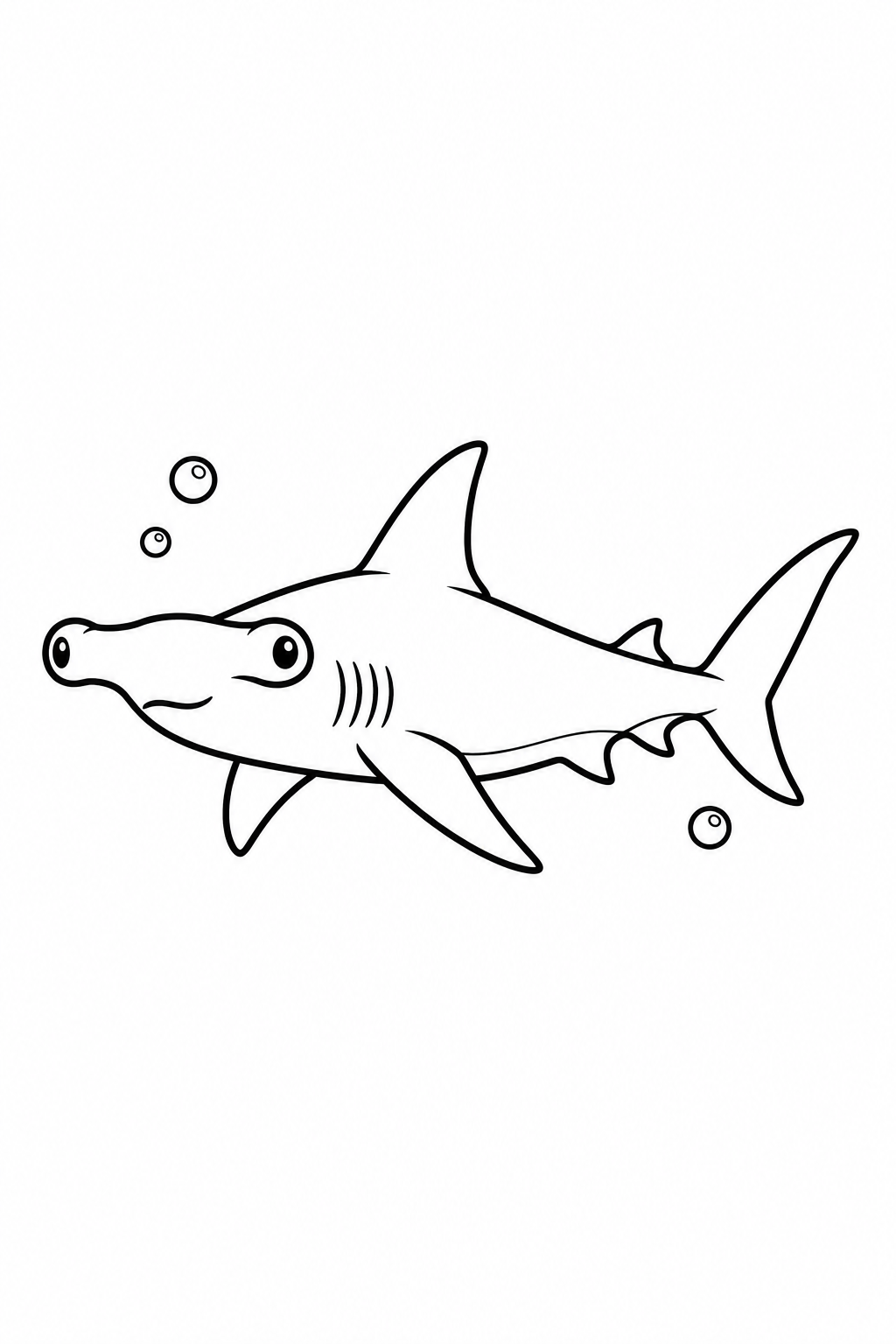 Hammerhead Shark
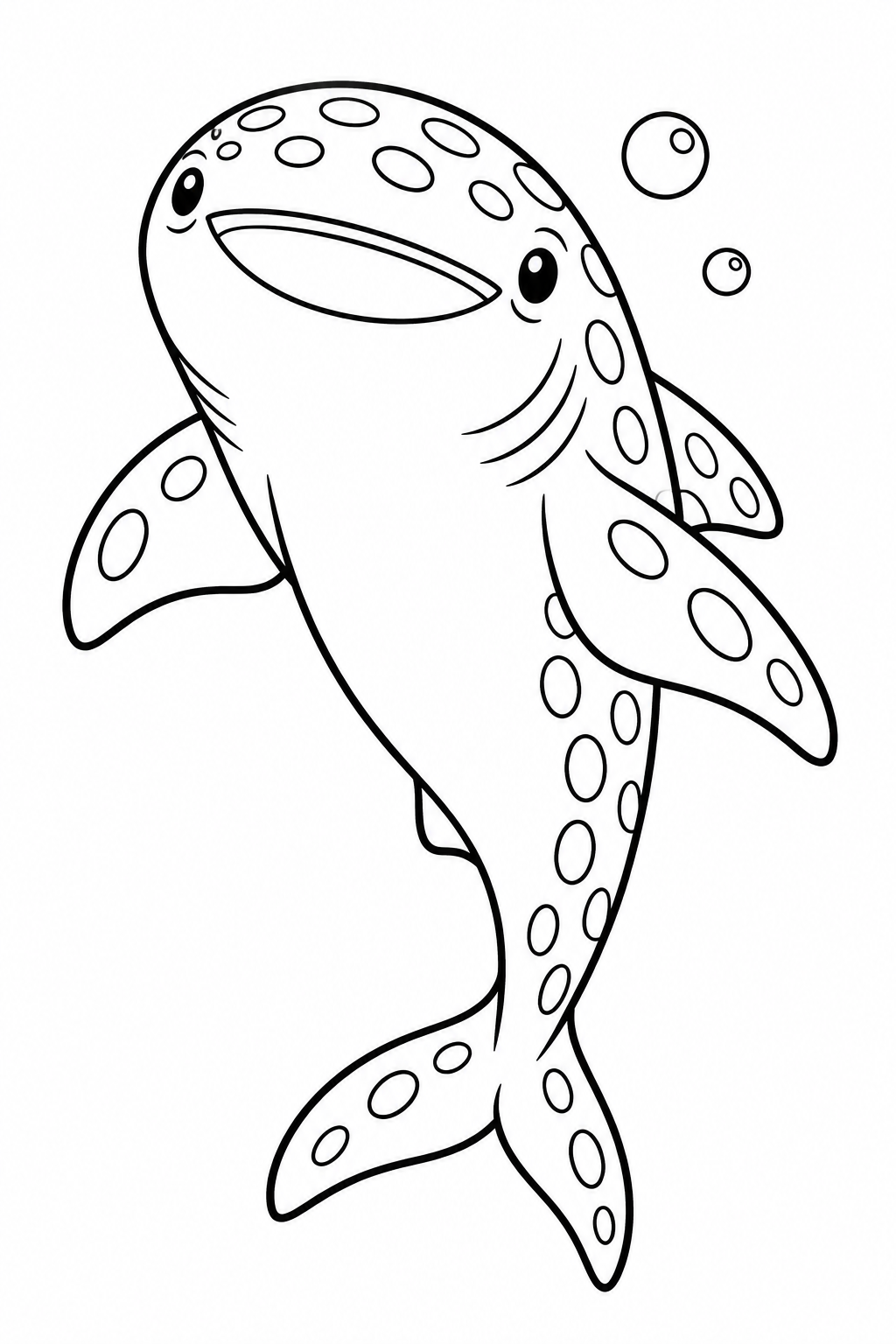 Whale Shark
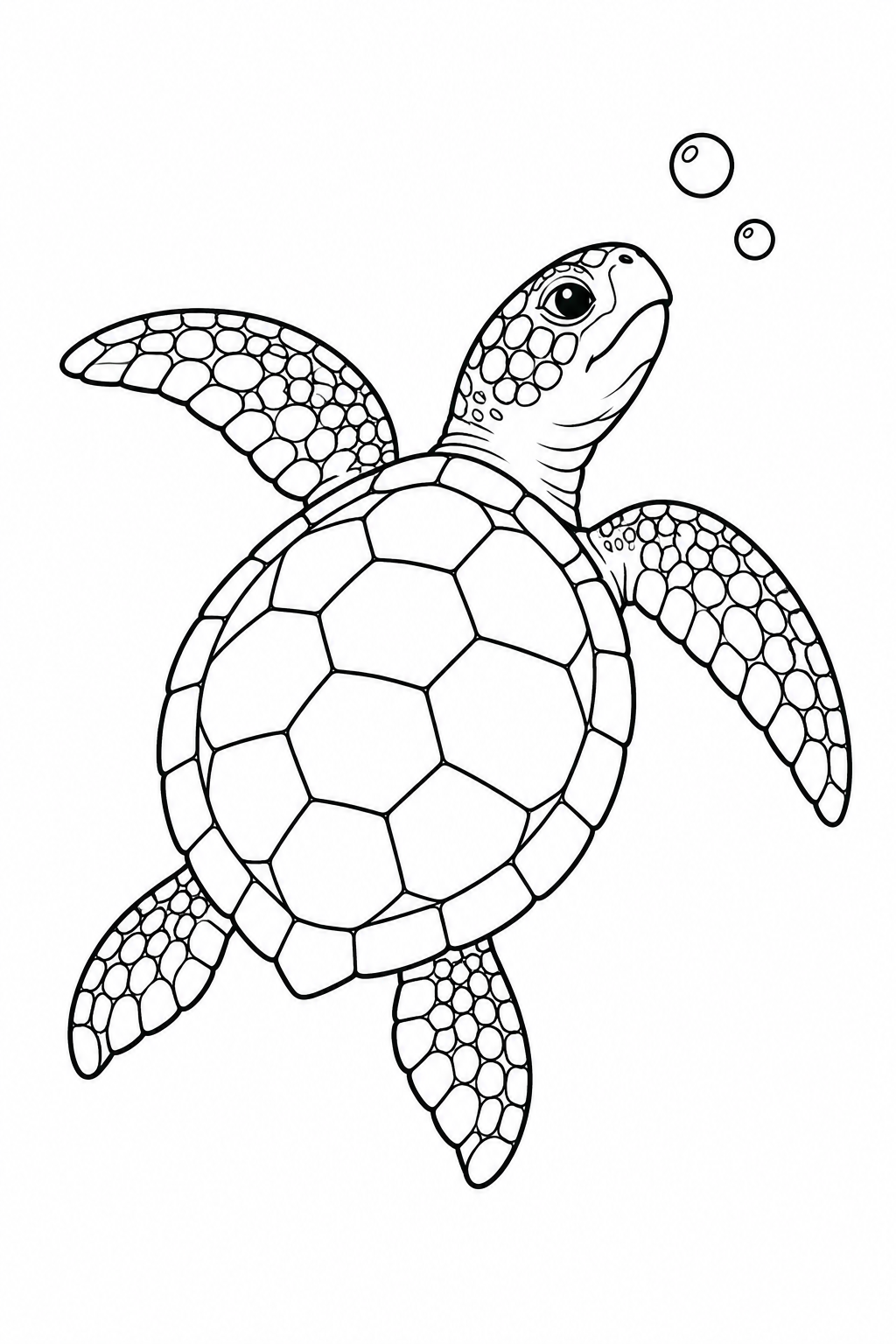 Green Sea Turtle
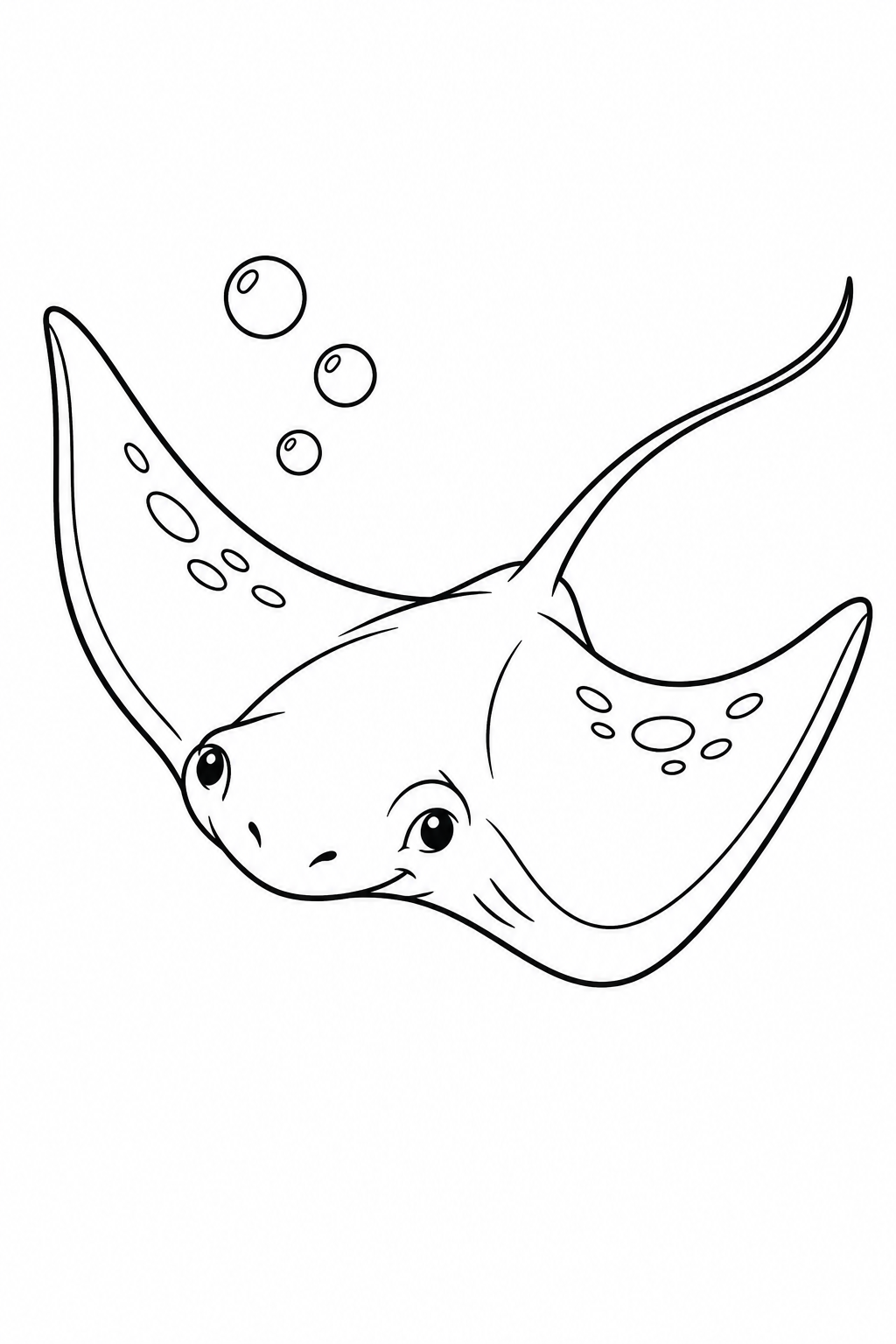 Reef Ray Gliding
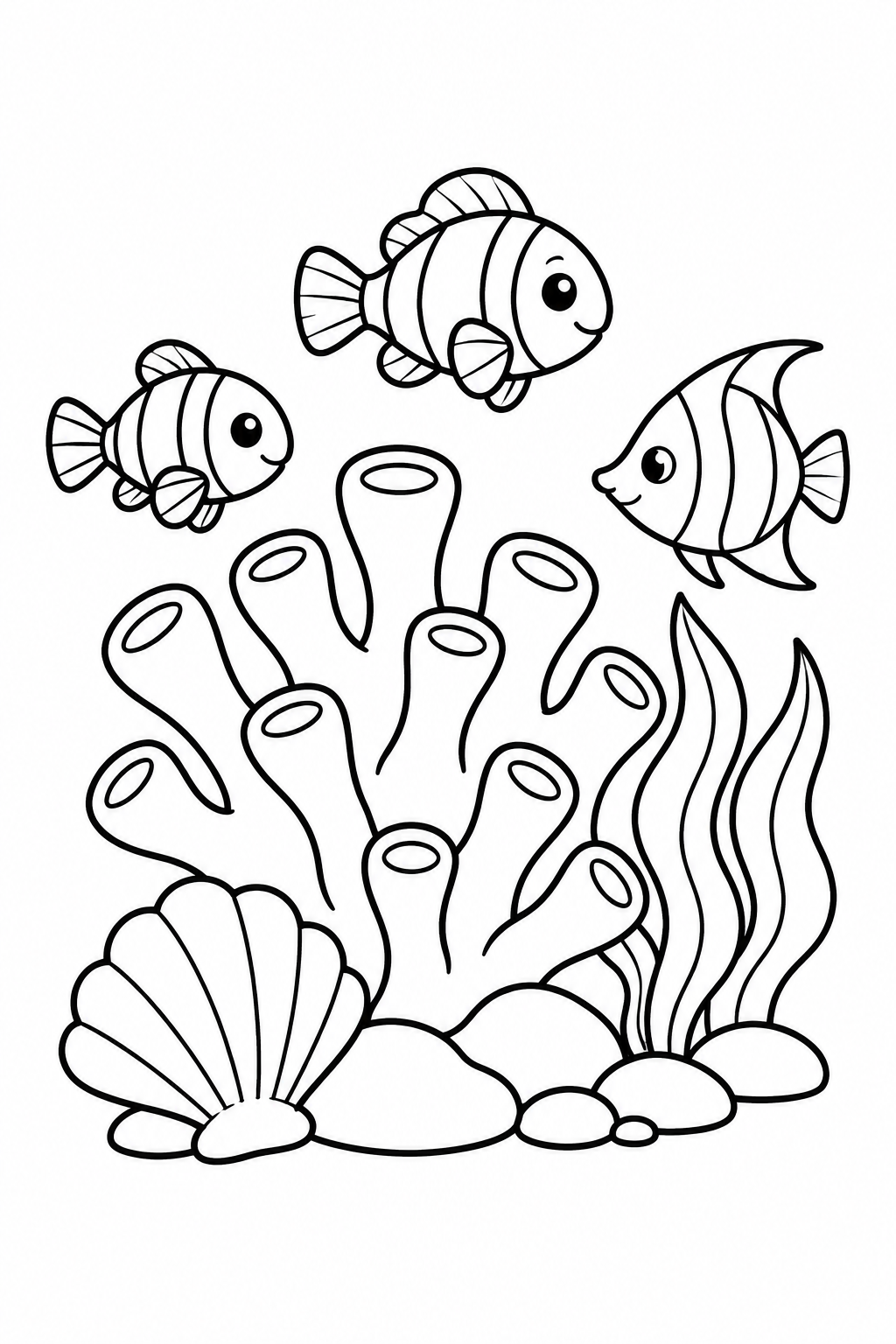 Coral Reef Garden
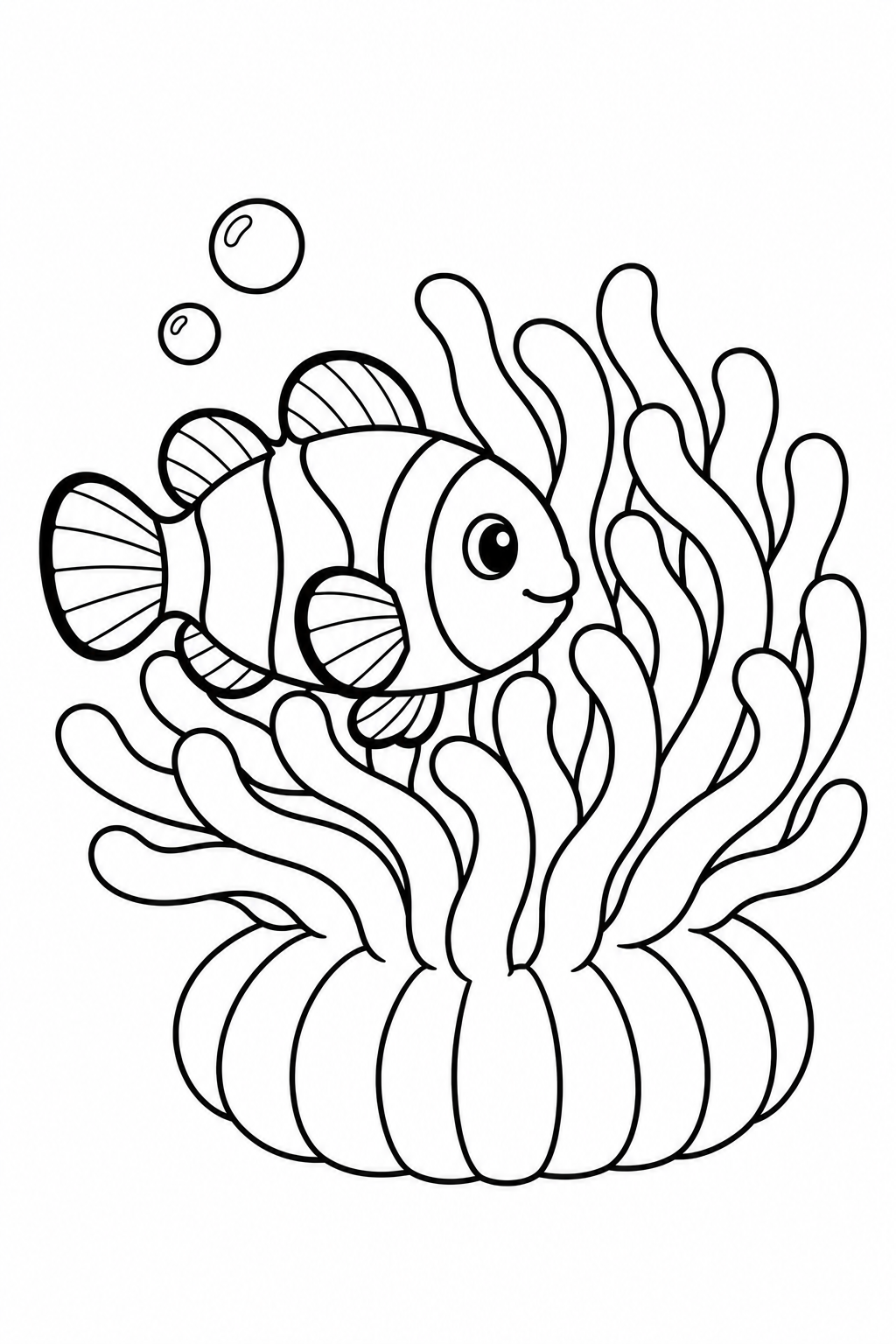 Clownfish and Sea Anemone
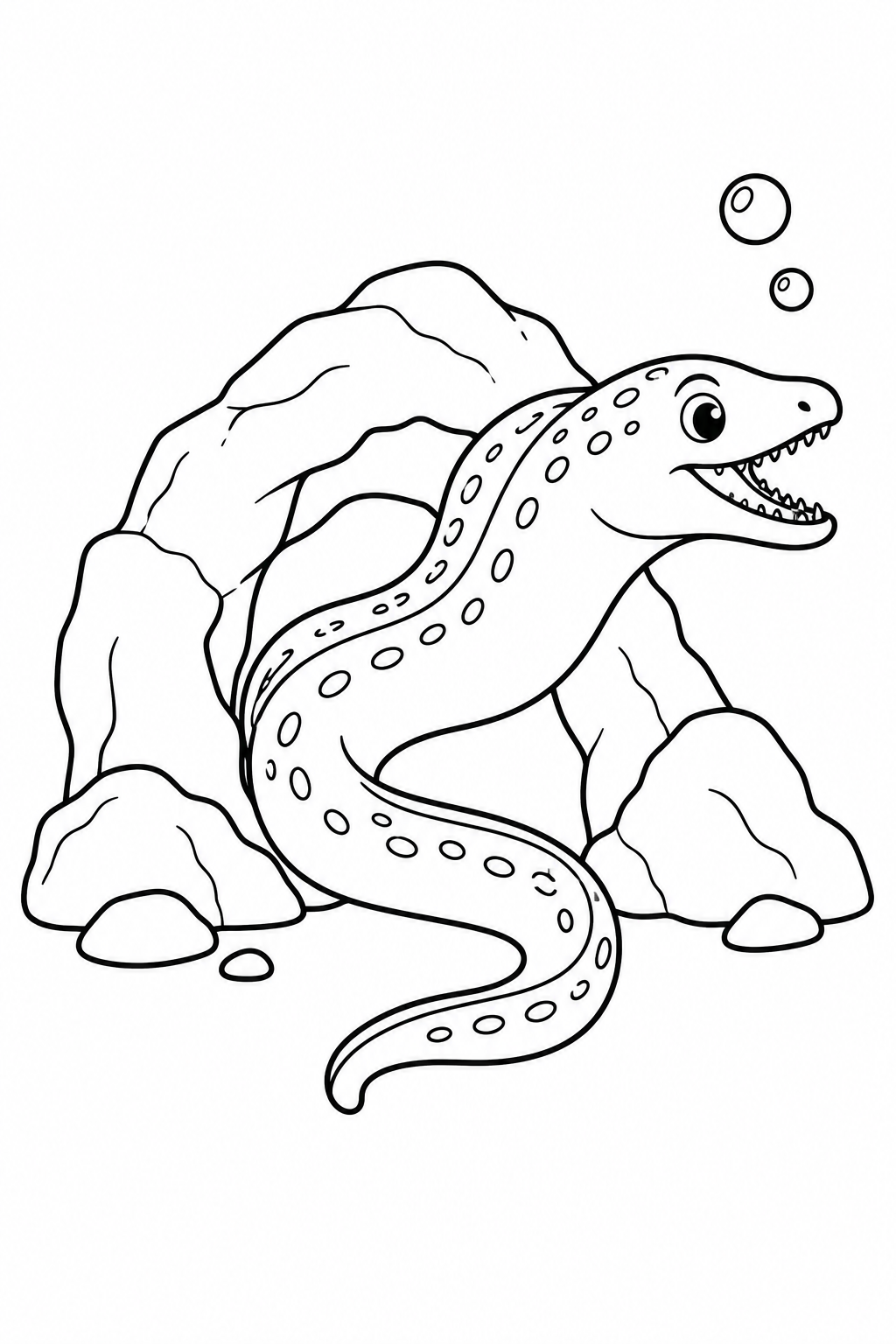 Moray Eel in a Reef
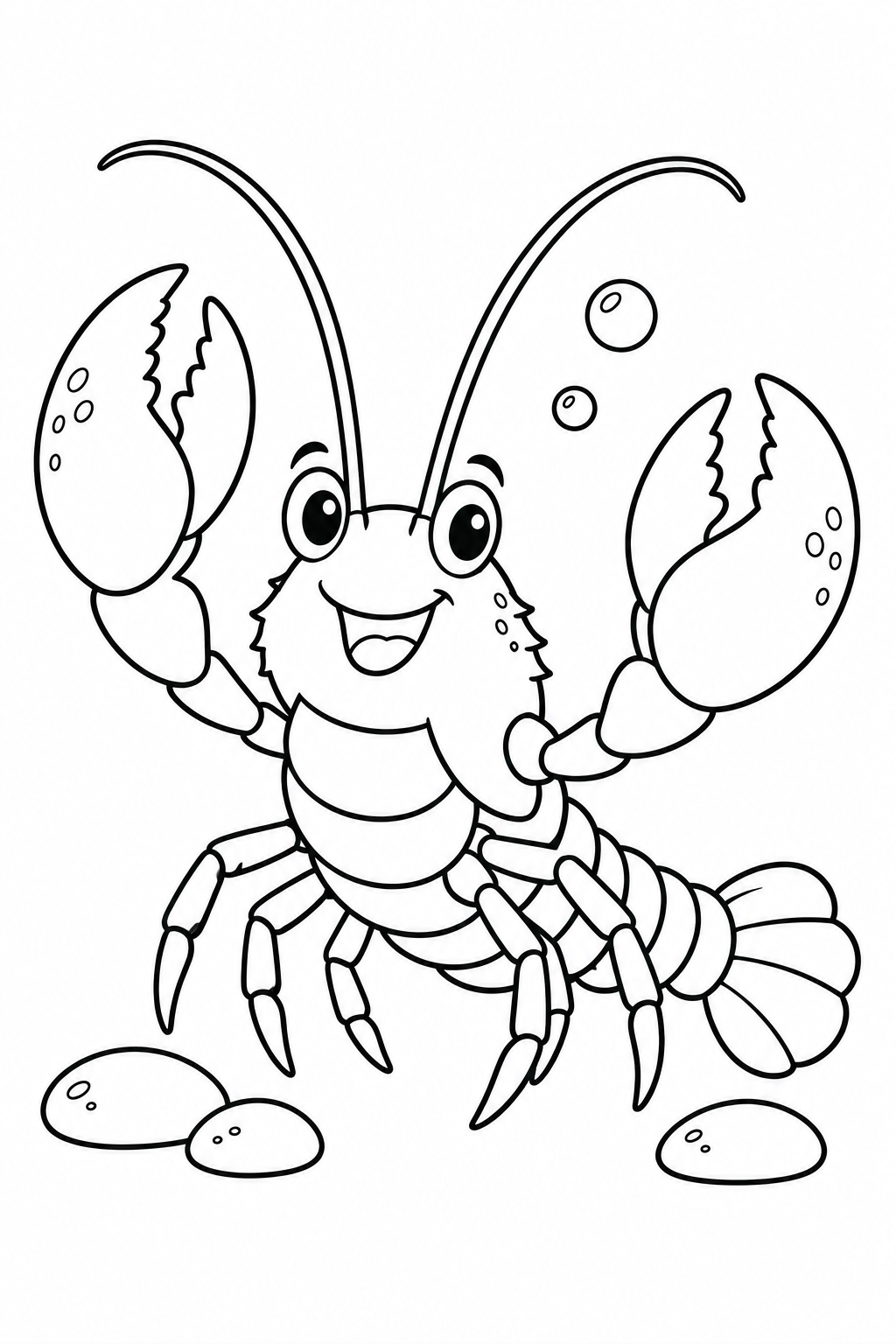 Lobster on the Seafloor
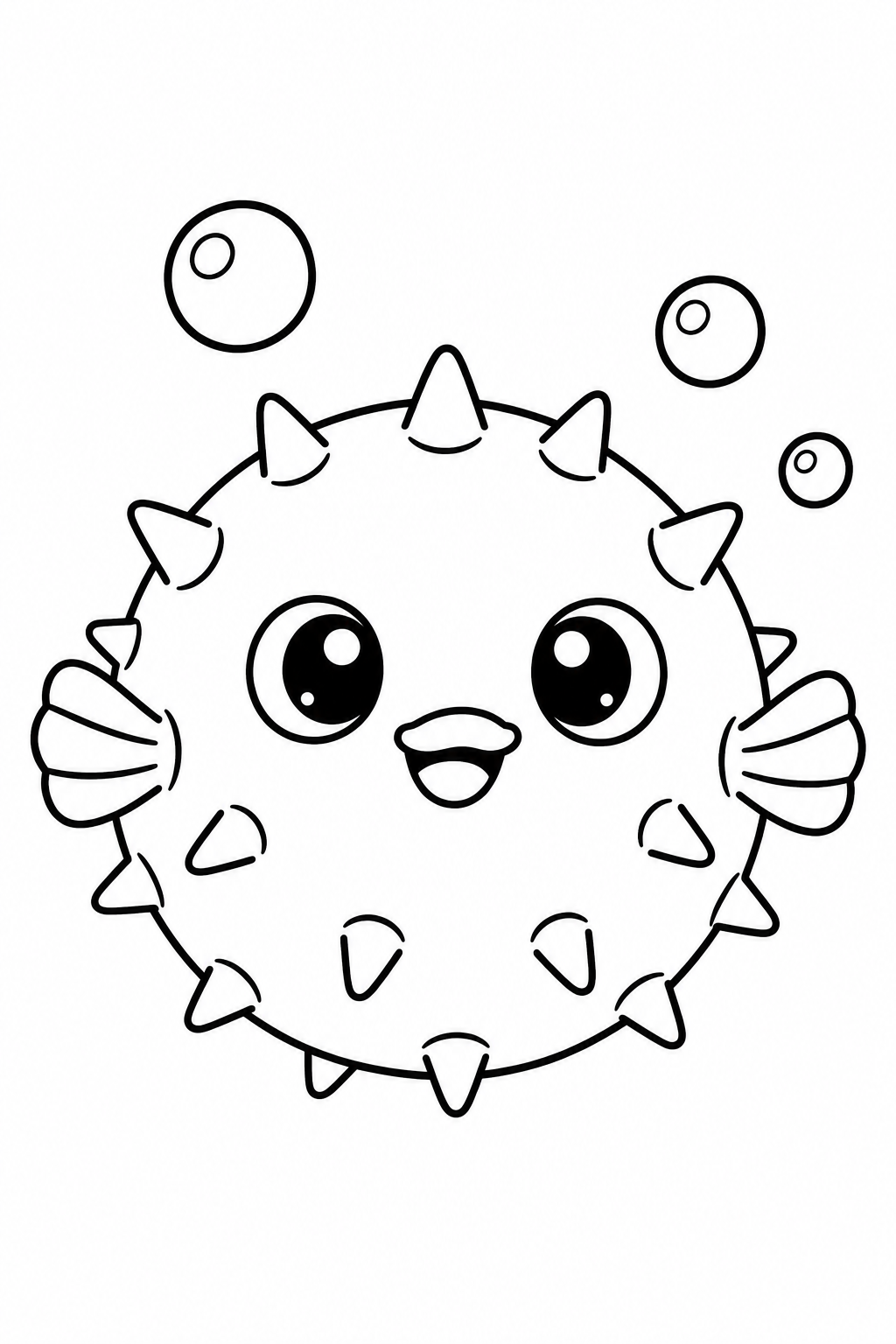 Pufferfish Underwater
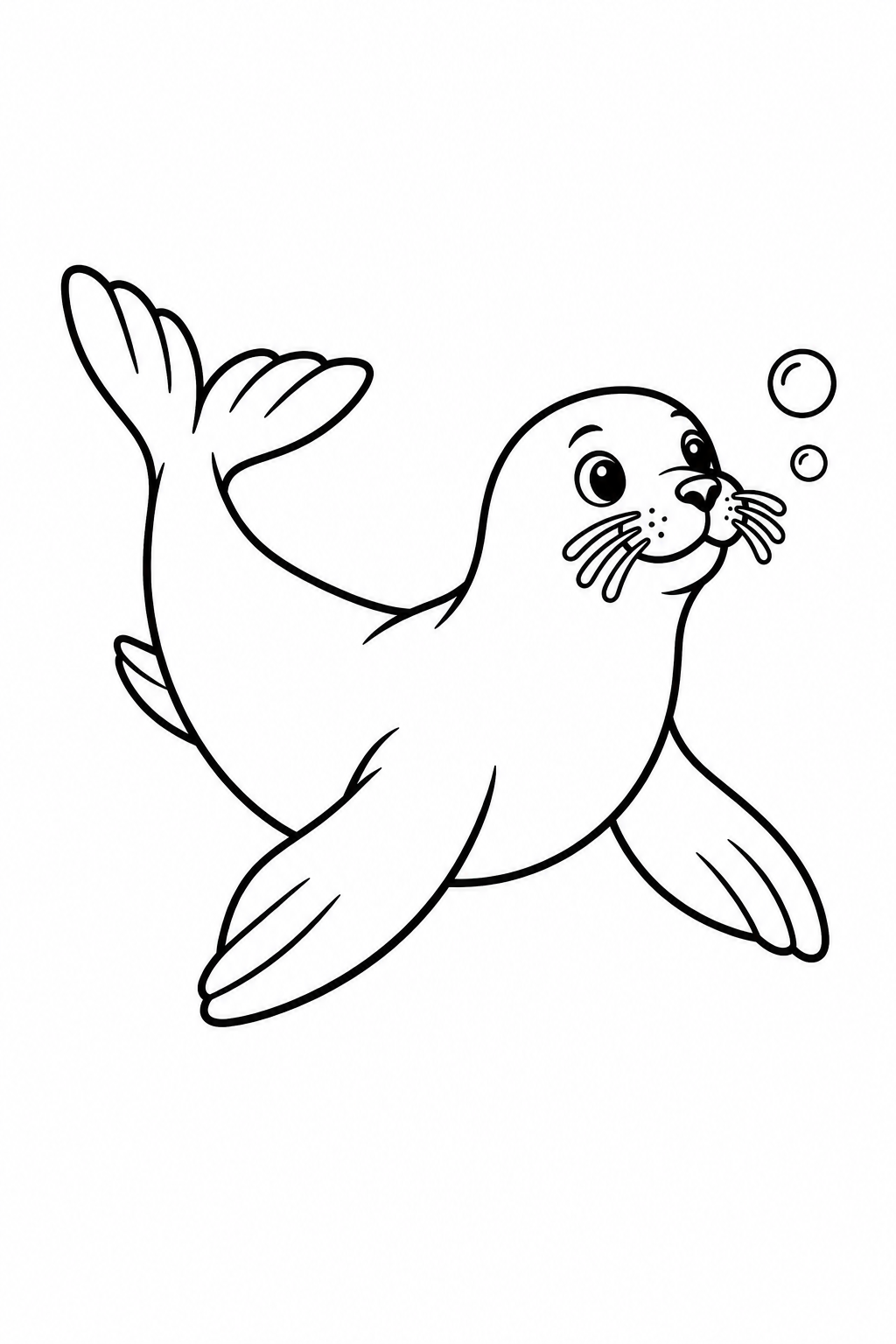 Sea Lion Swimming
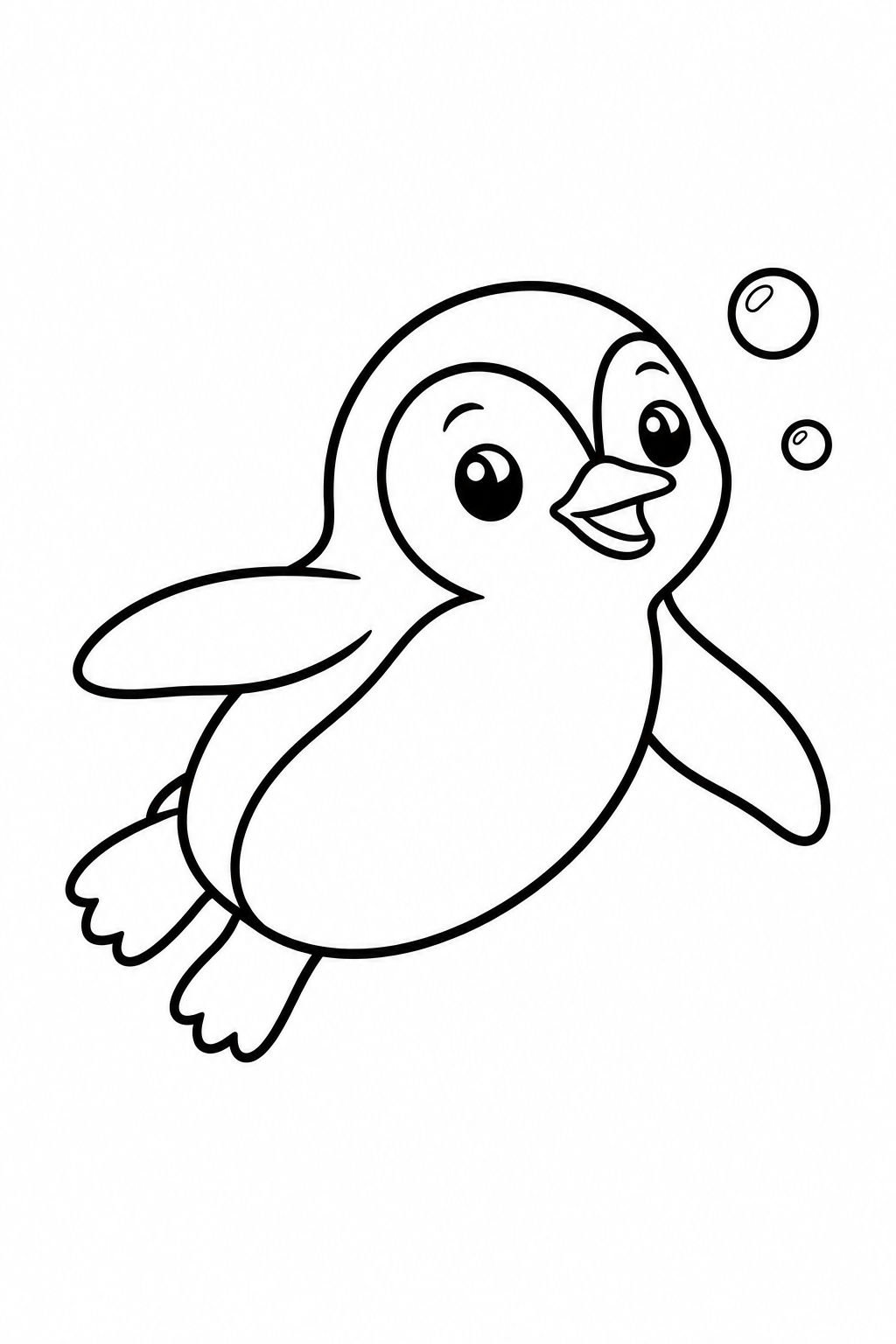 Penguin Swimming
 Manta Ray with Cleaner Fish
Ocean collection FAQ
What can children learn from these ocean coloring pages?
Children can practice observation while learning about ocean habitats, animal adaptations, biodiversity, food chains, and ways people can help protect marine life.
How many pages are in the Under the Sea collection?
The collection has 26 free printable pages, including individual animals, reef scenes, and animal interactions.
What is a good classroom activity for this collection?
Assign each child one animal, then compare habitats, body features, diets, and one conservation action for each species.
Are these ocean coloring pages free to print?
Yes. The pages are free to print for home, classroom, library, and homeschool activities.
How can families help protect ocean animals?
Families can reduce single-use plastic, keep litter away from waterways, save water, and learn about local marine habitats.
Which ocean habitats are represented in the collection?
The pages invite comparisons between coral reefs, sandy seafloors, rocky coasts, open water, and cold polar seas.
Can teachers use the collection as a science activity?
Yes. Pair the pages with habitat sorting, adaptation observations, vocabulary practice, or a short discussion about caring for waterways.