Pollinators and Flower Visitors Coloring Collection – 30 Educational Pages
Explore 30 printable coloring pages about pollinators, flower visitors, and the plants they visit. The collection includes bees and other insects, butterflies, moths, hummingbirds, sunbirds, and fruit bats, with simple nature-study prompts about pollen transfer, flower relationships, habitats, and responsible observation. The pages also include comparison species whose adult feeding habits differ from typical pollinators.
Animals · 30 pages
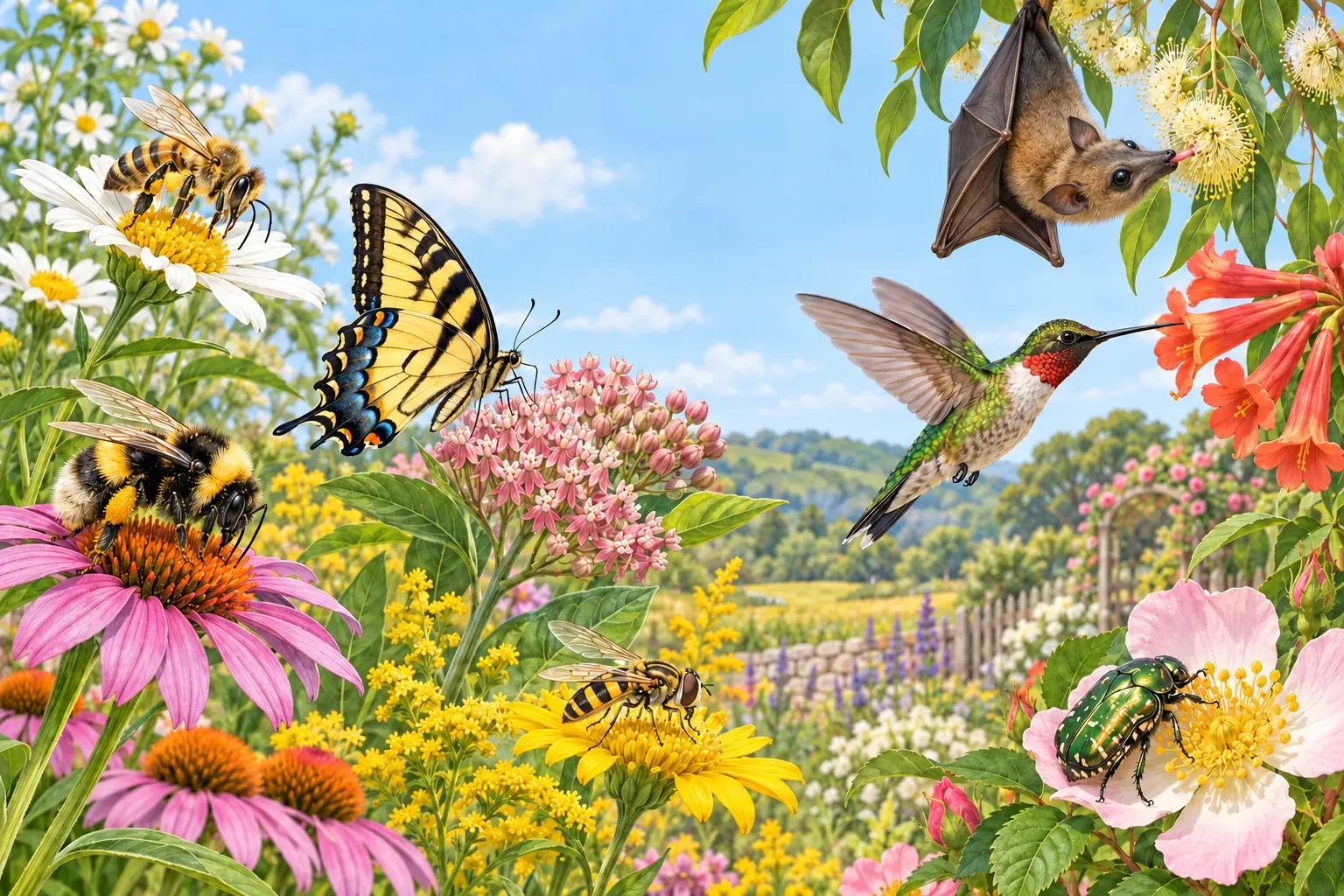
Pages in this collection
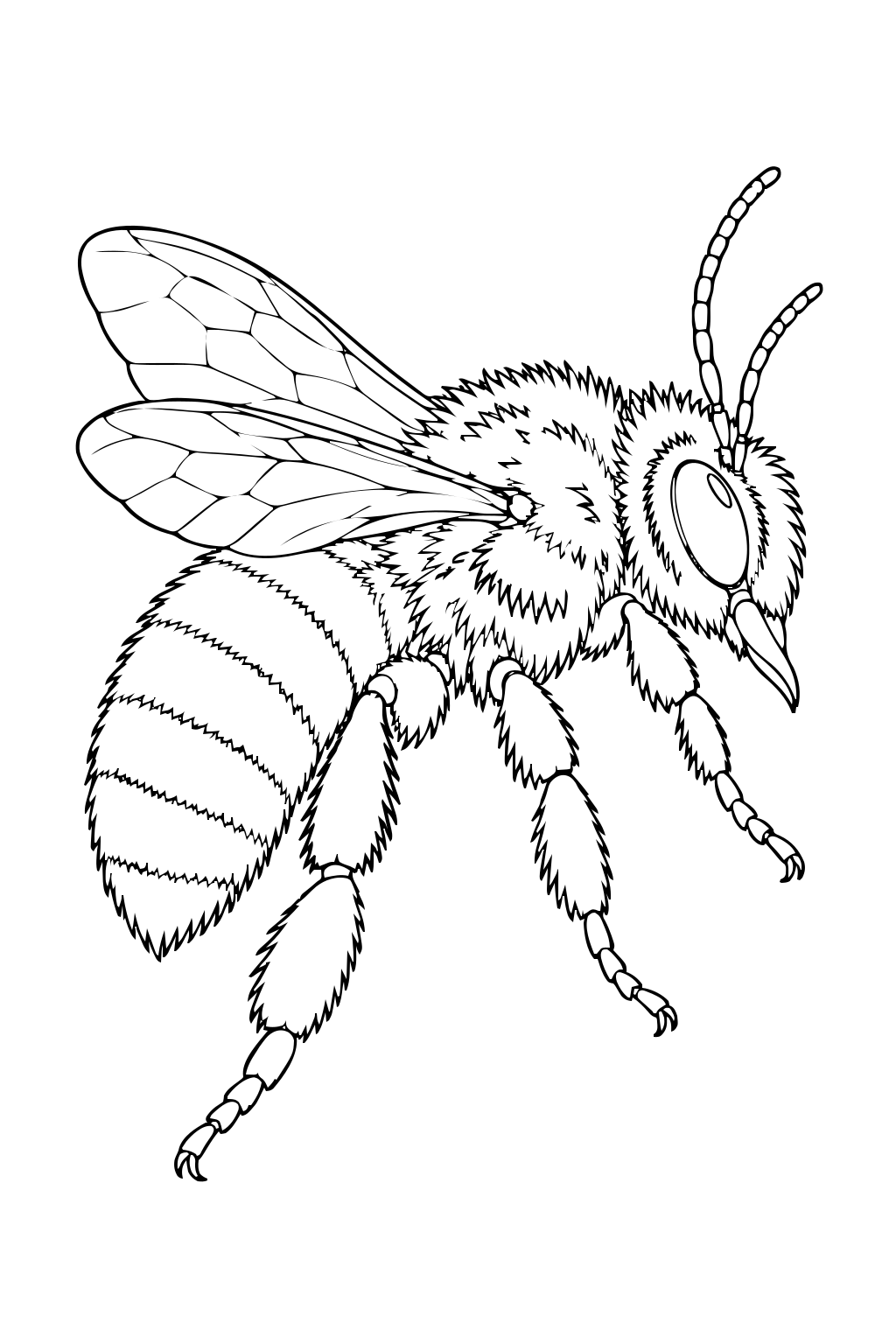 Mason Bee Coloring Page
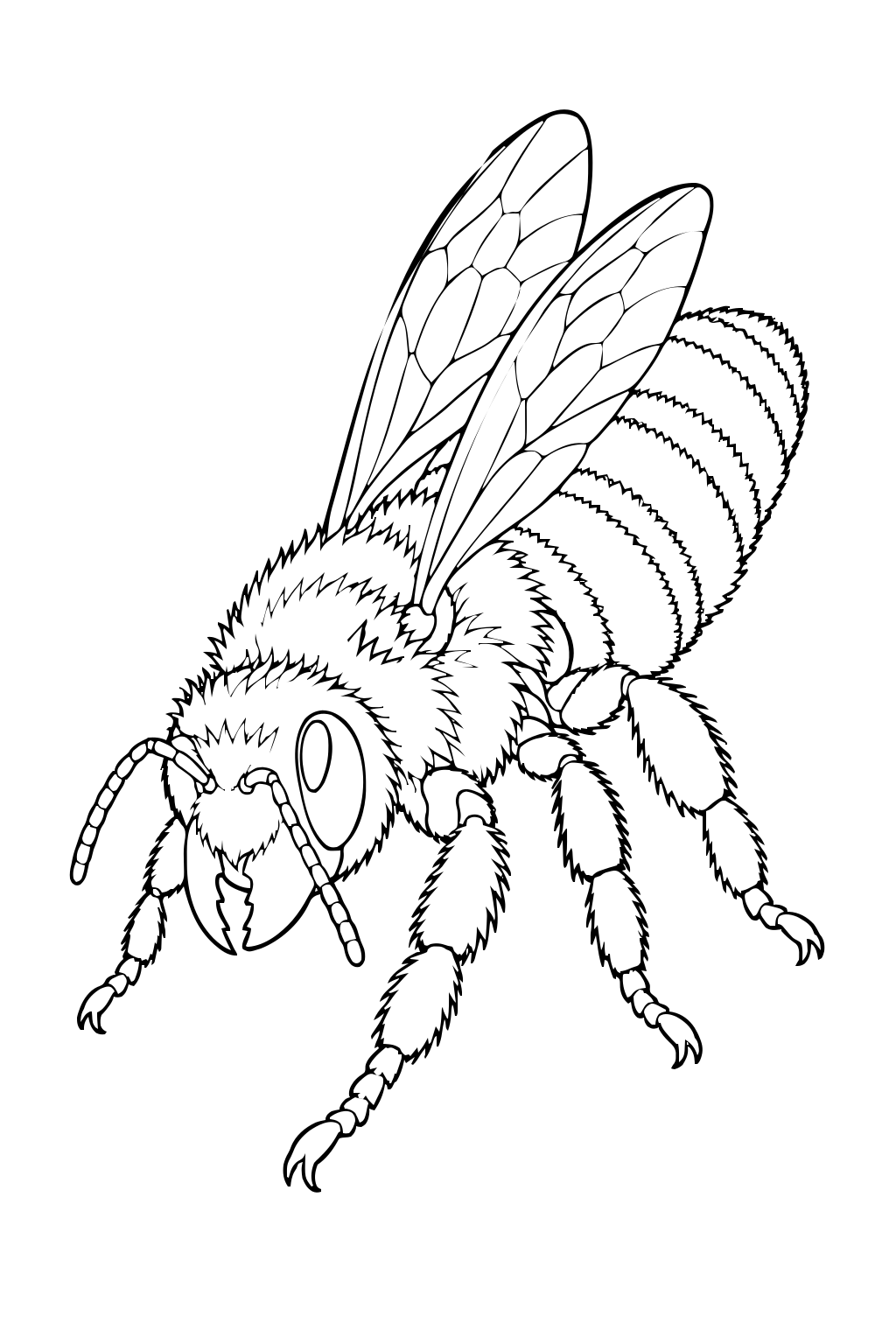 Leafcutter Bee Coloring Page
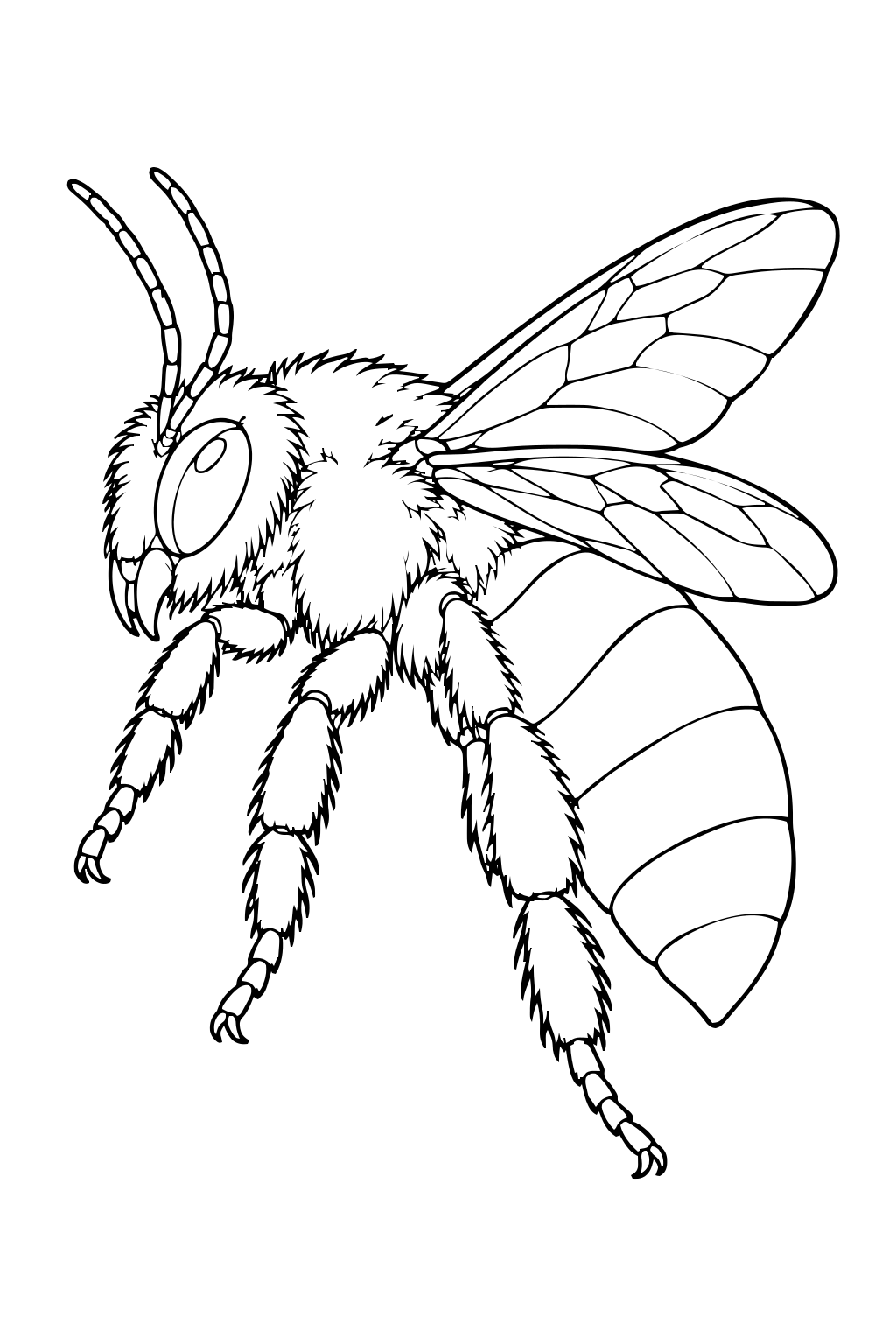 Carpenter Bee Coloring Page
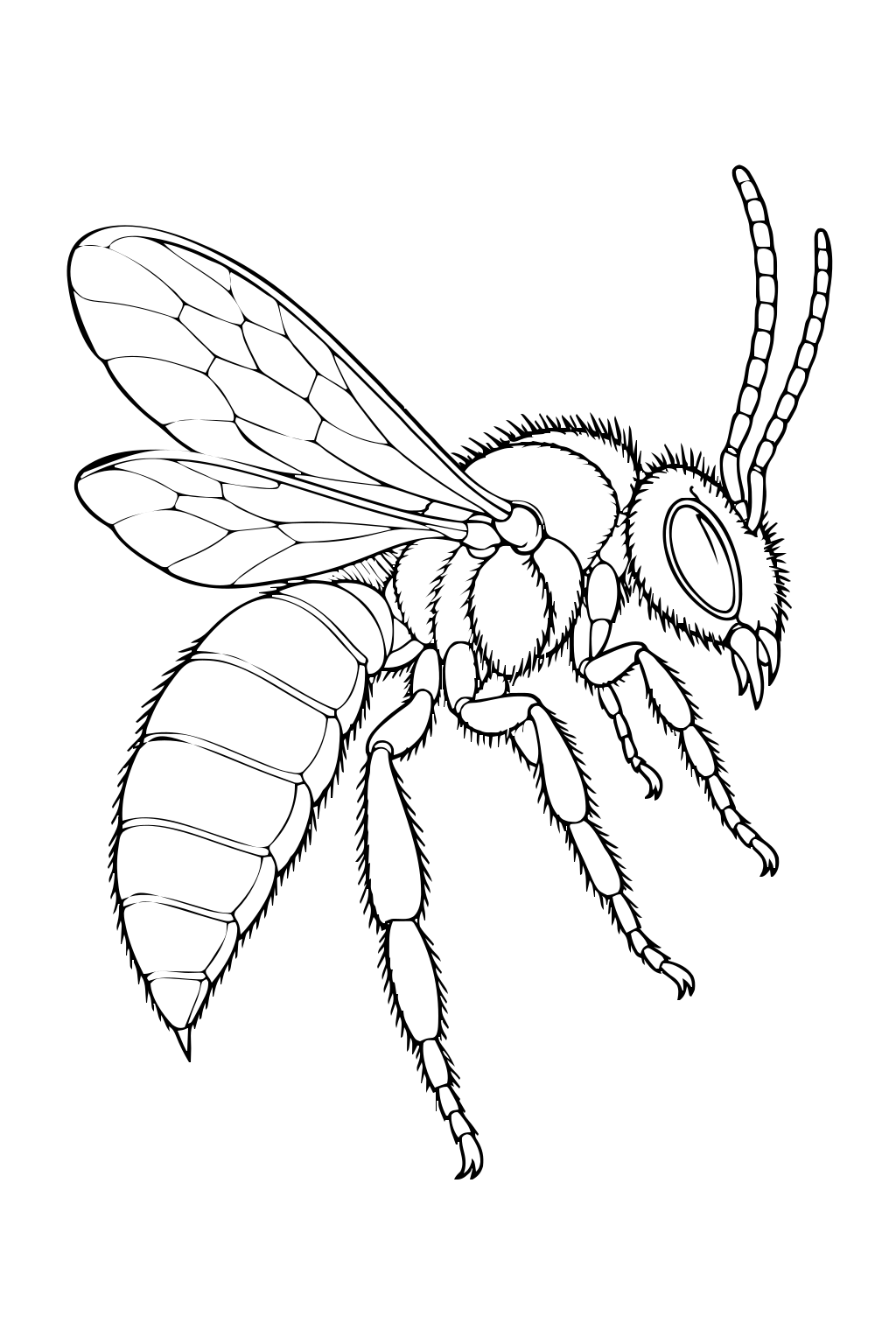 Sweat Bee Coloring Page
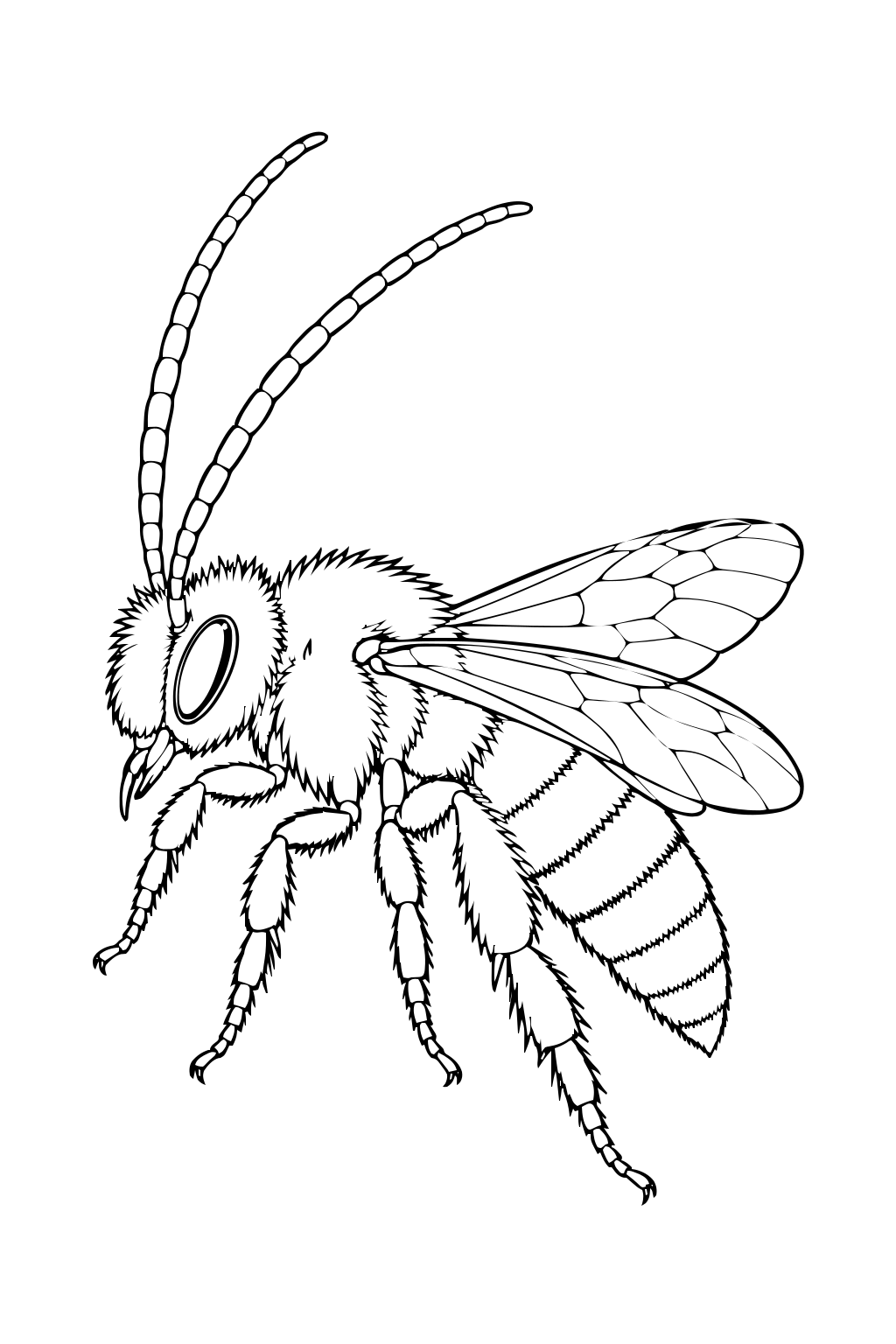 Long-Horned Bee Coloring Page
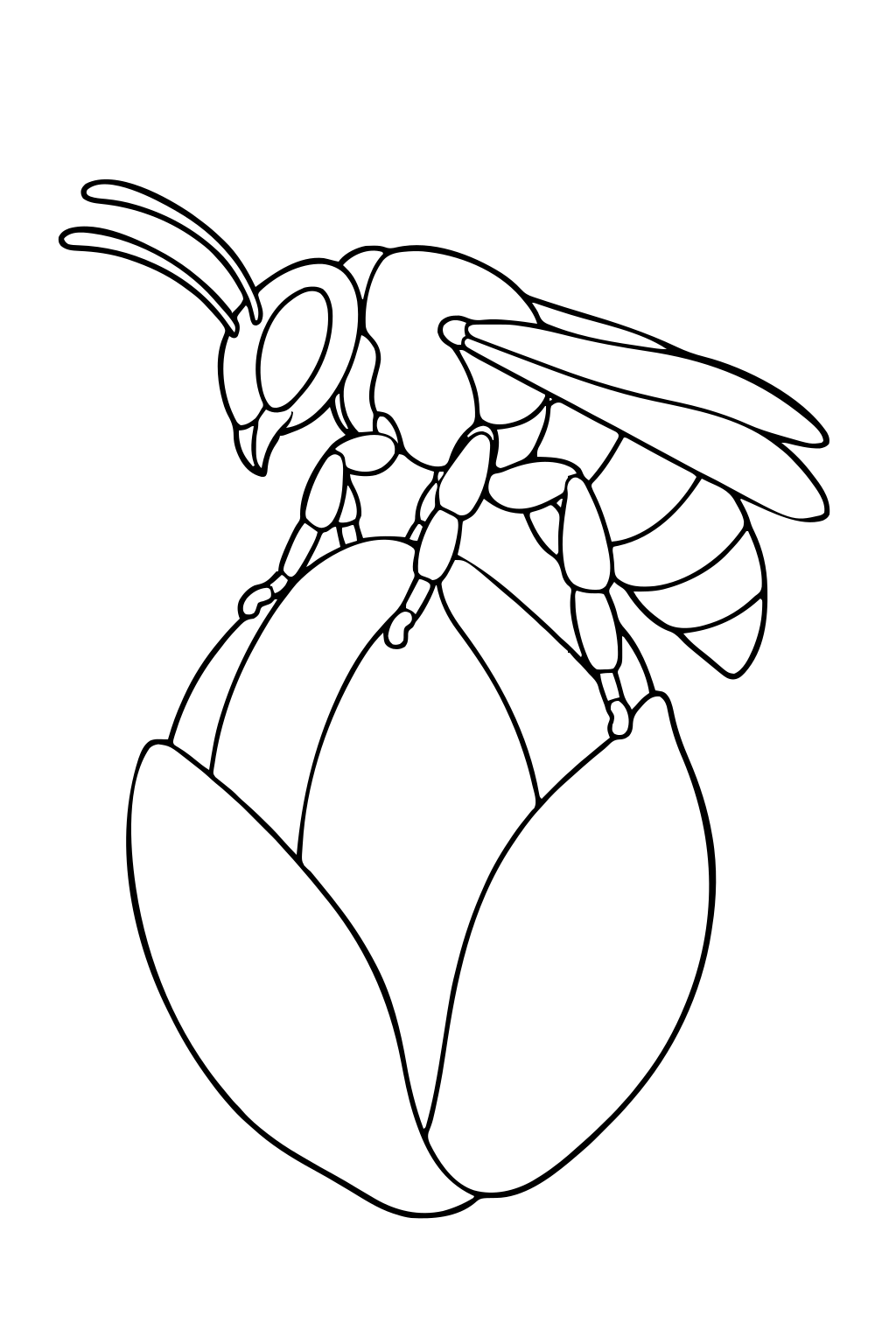 Orchid Bee Coloring Page
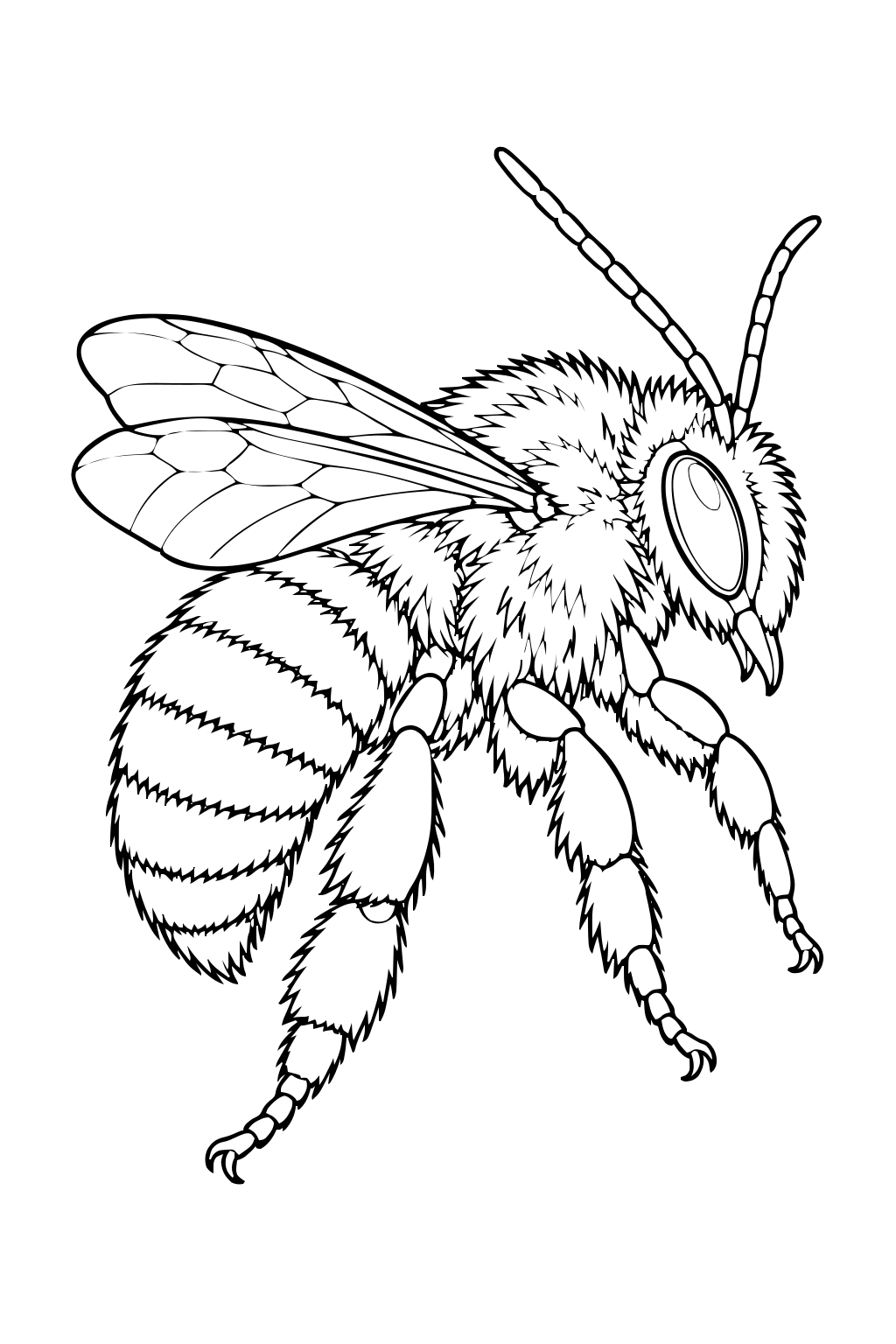 Blue-Banded Bee Coloring Page
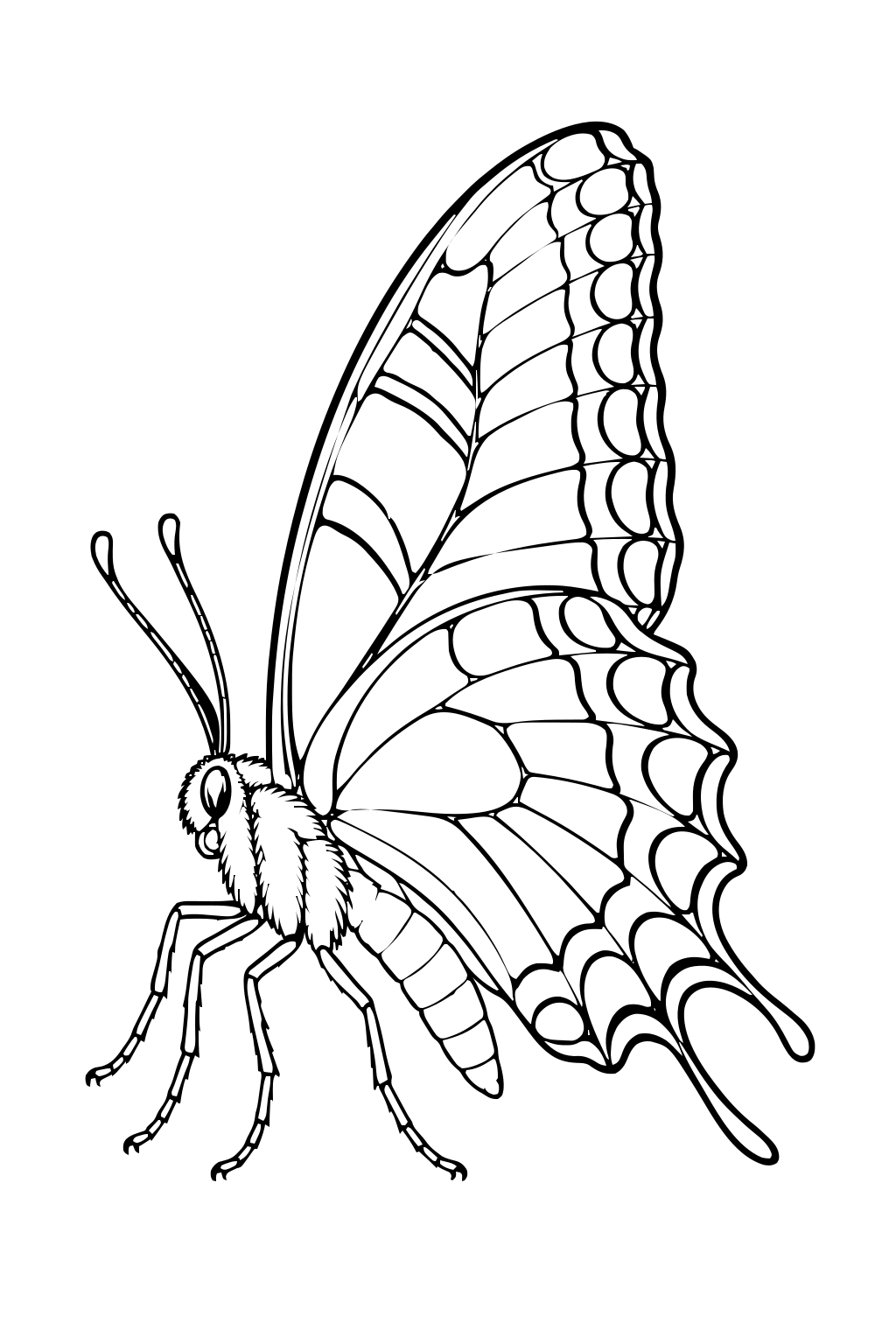 Swallowtail Butterfly Coloring Page
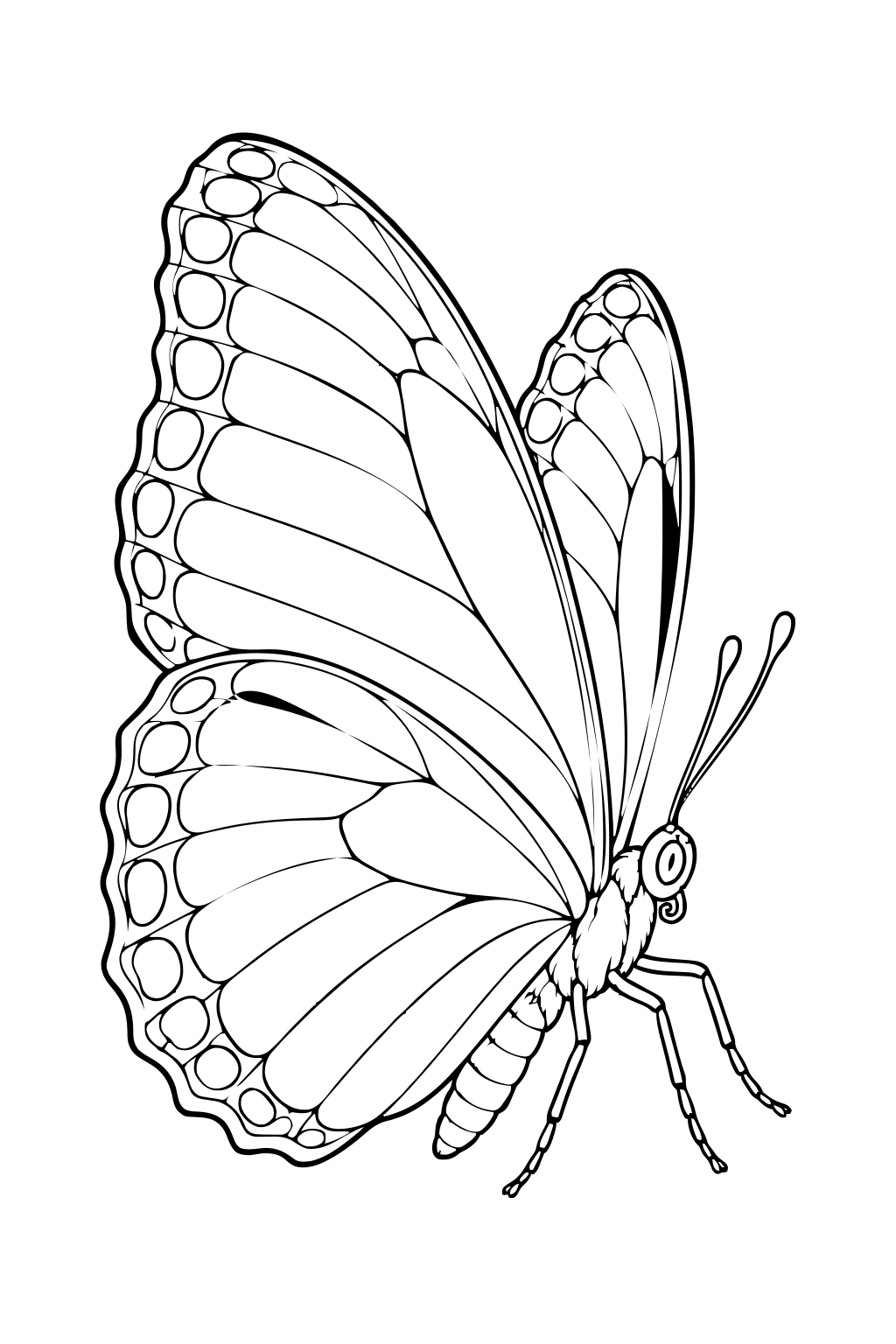 Blue Morpho Butterfly Coloring Page
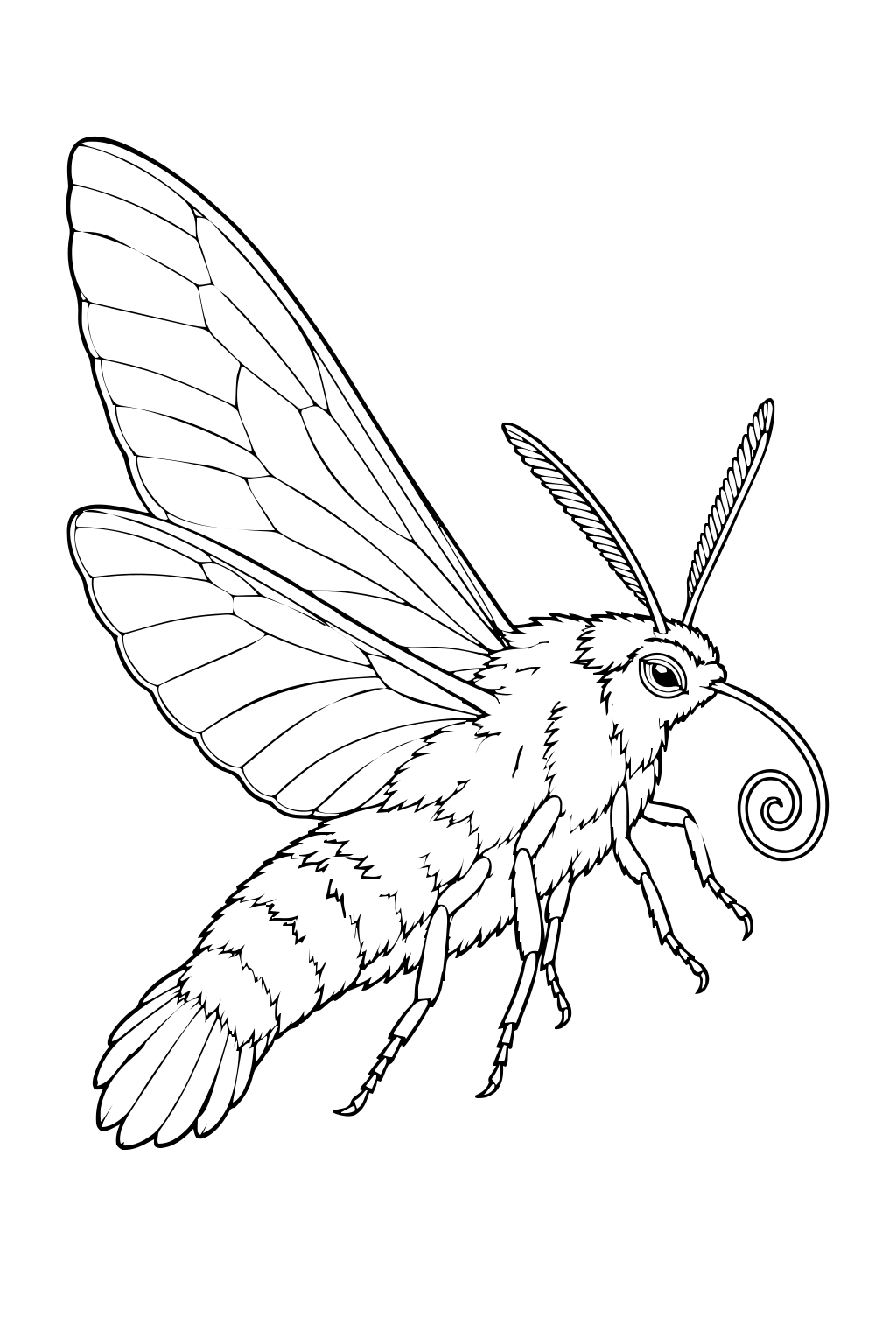 Hummingbird Hawk-Moth Coloring Page
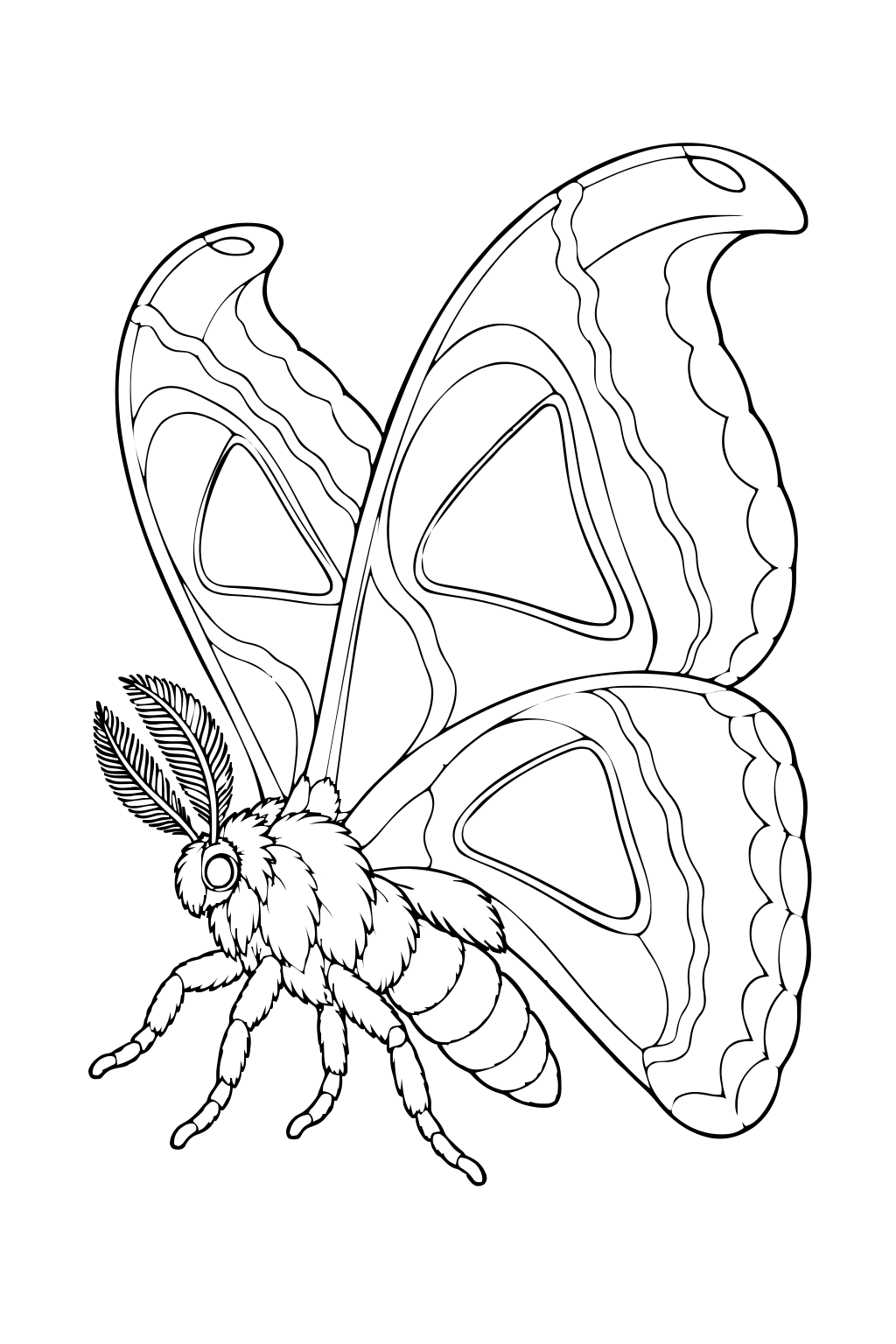 Atlas Moth Coloring Page
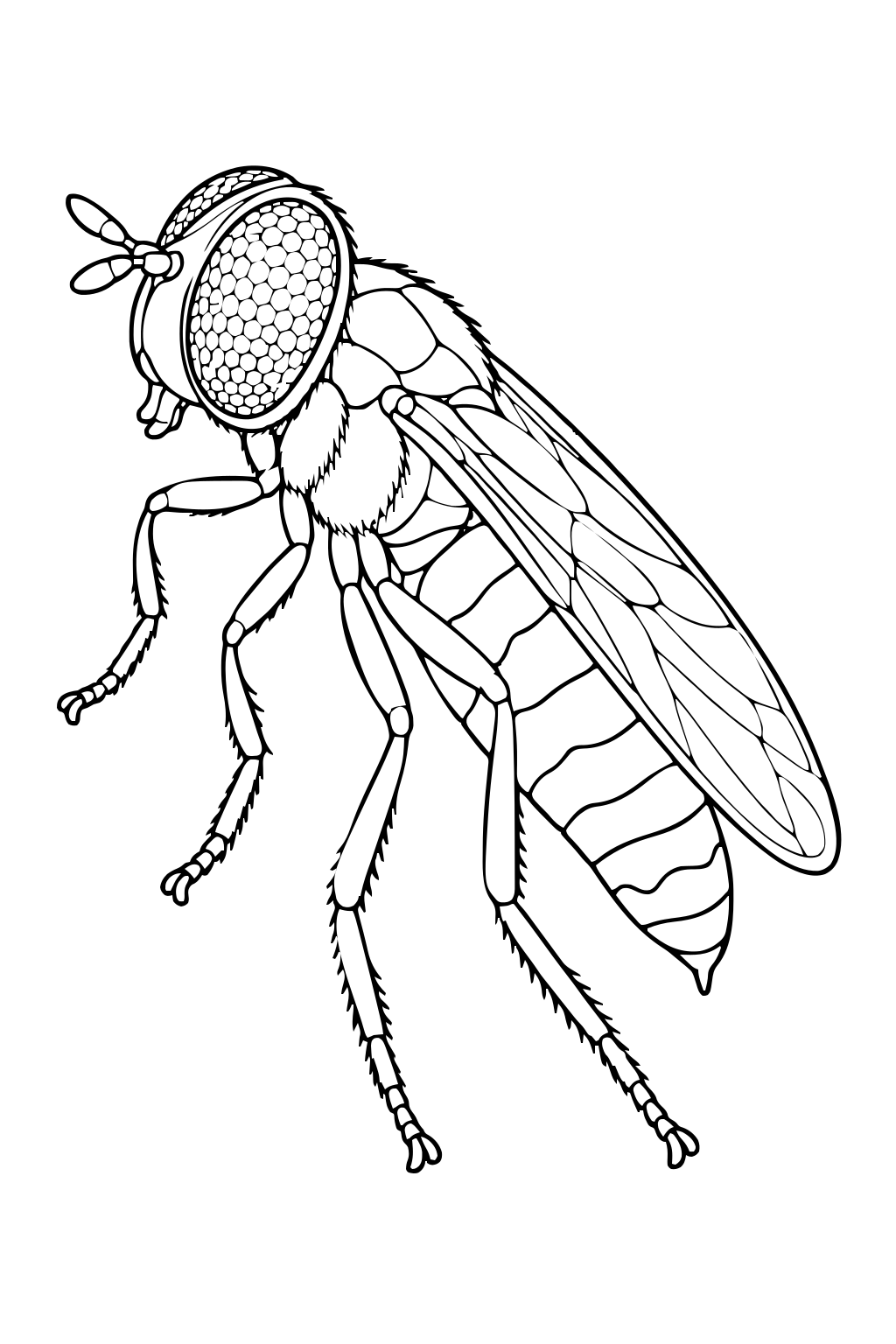 Hoverfly Coloring Page
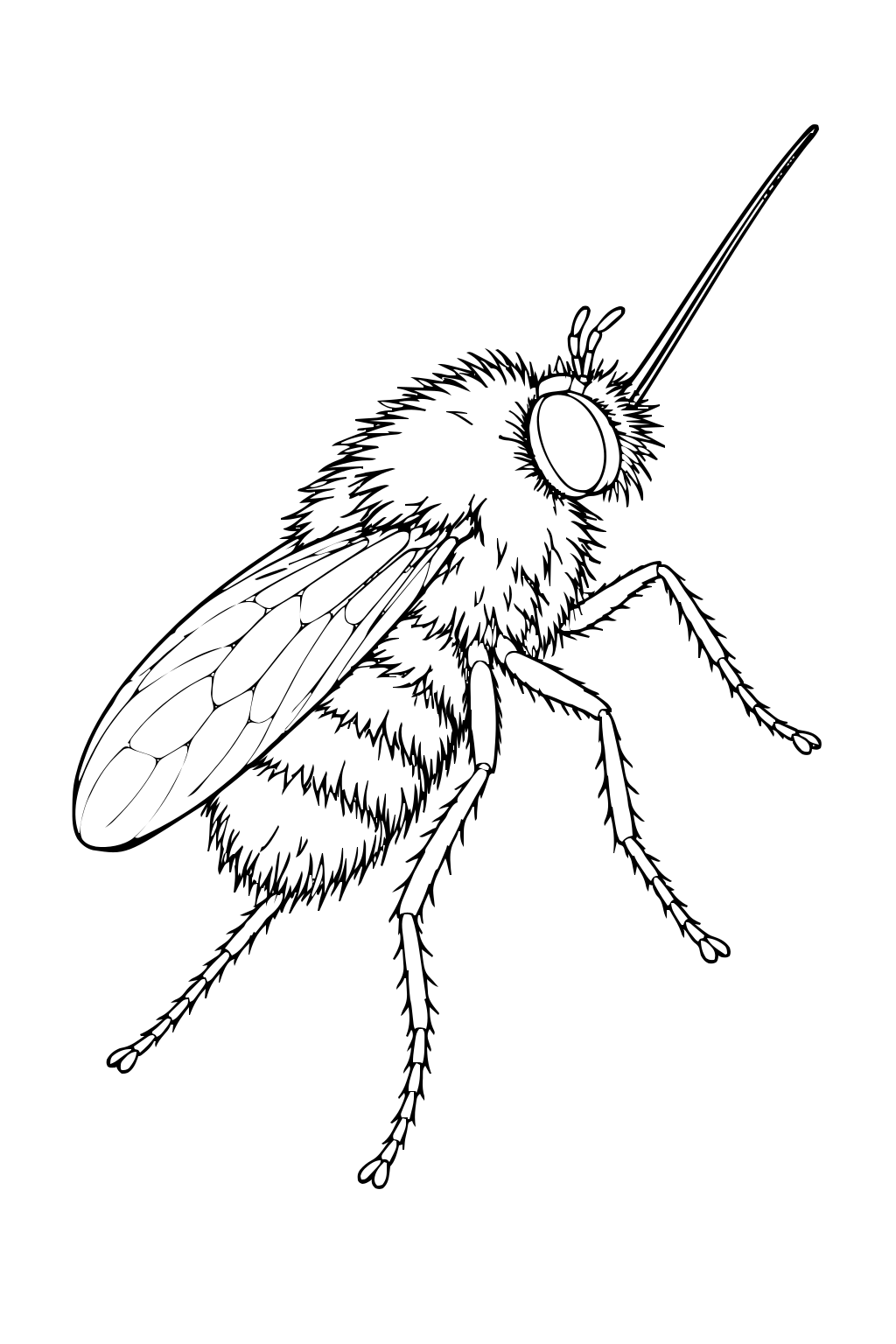 Bee Fly Coloring Page
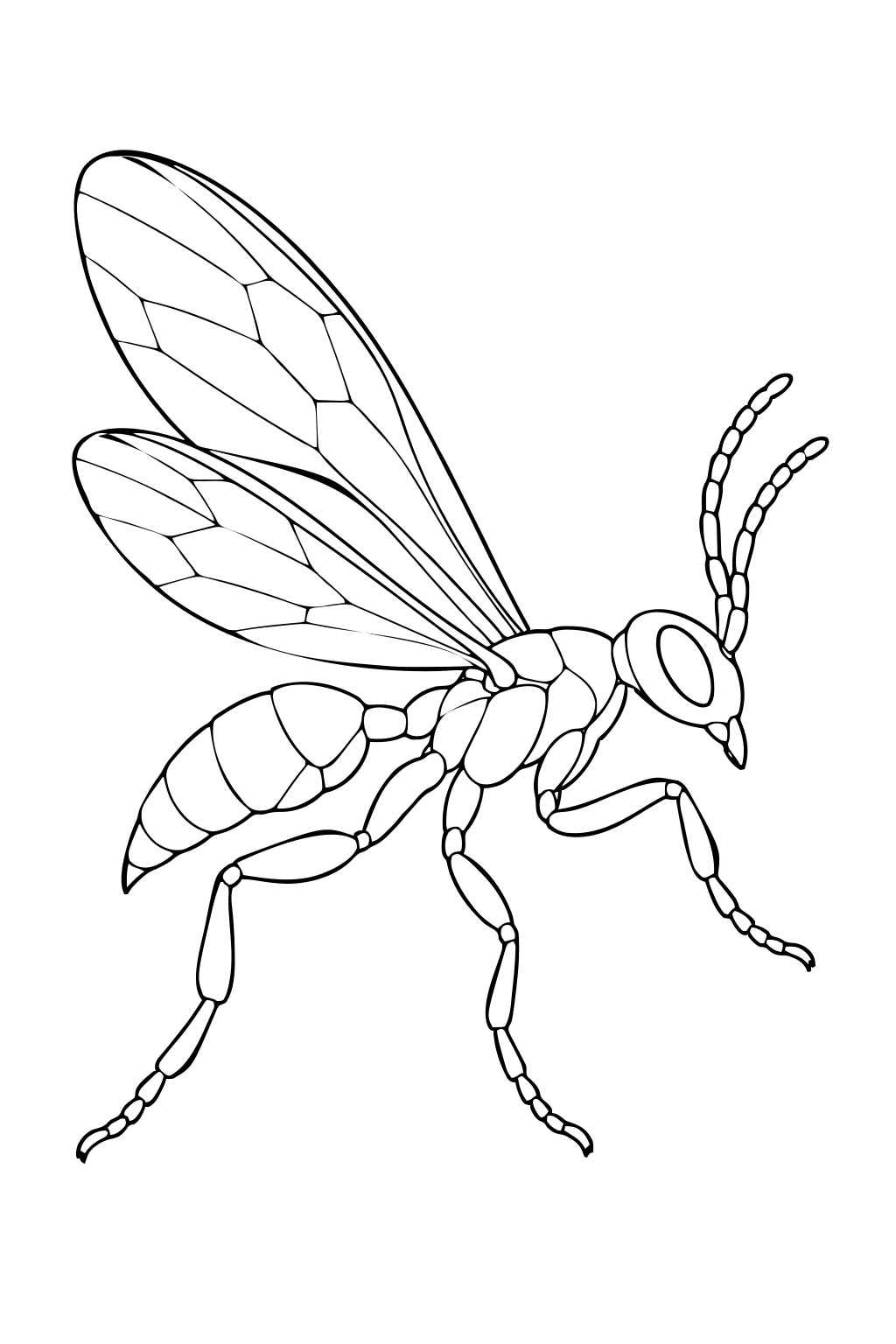 Fig Wasp Coloring Page
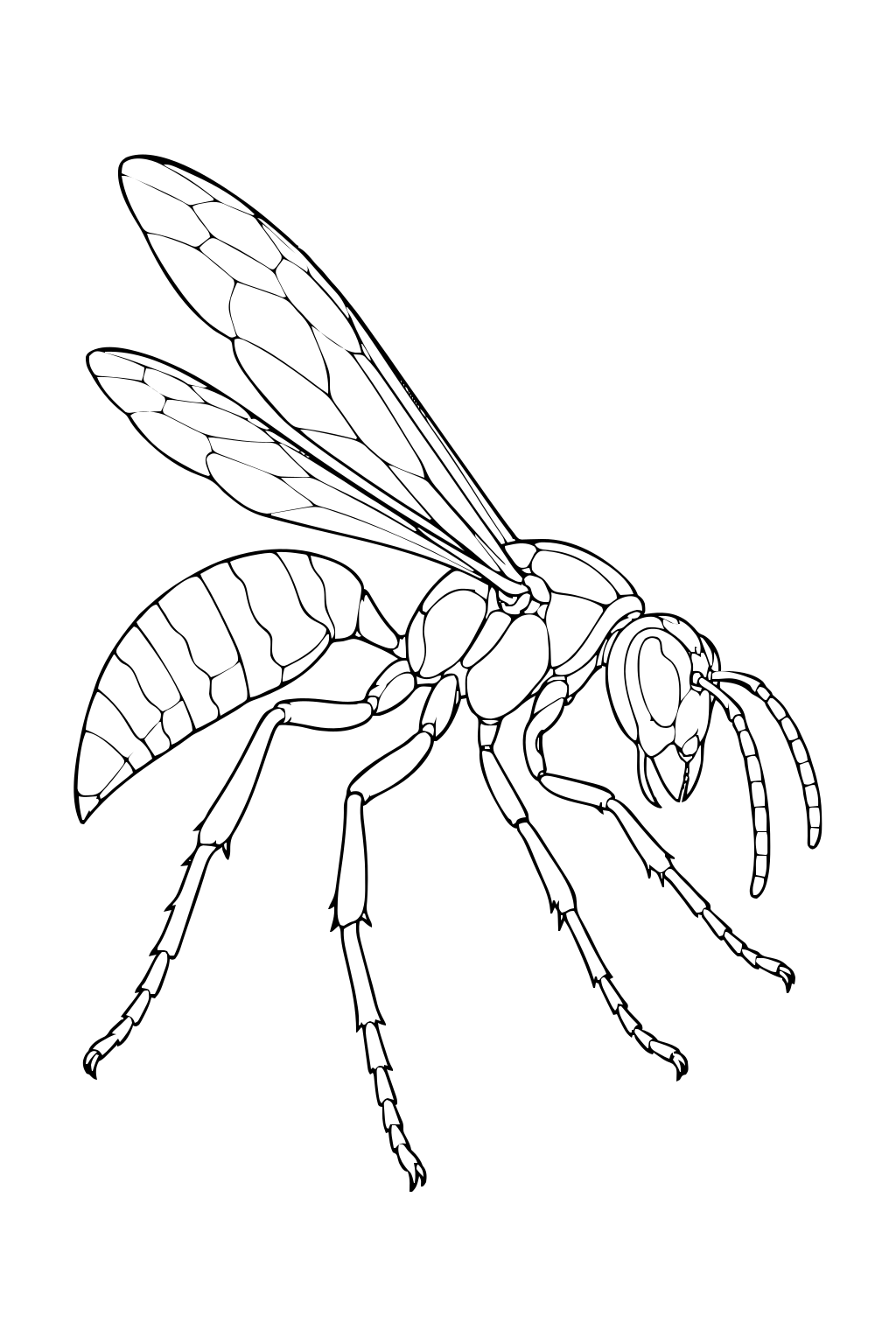 Paper Wasp Coloring Page
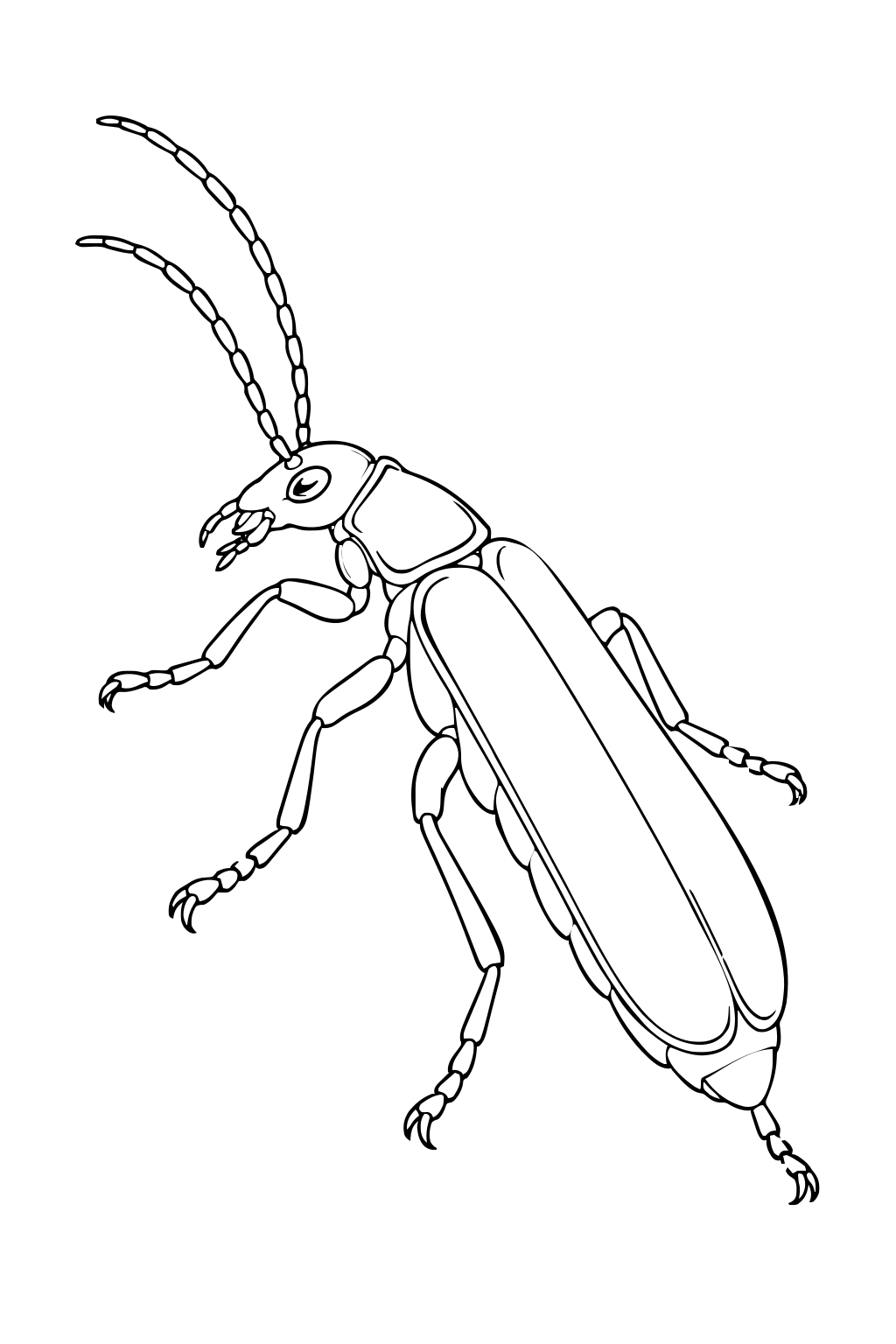 Soldier Beetle Coloring Page
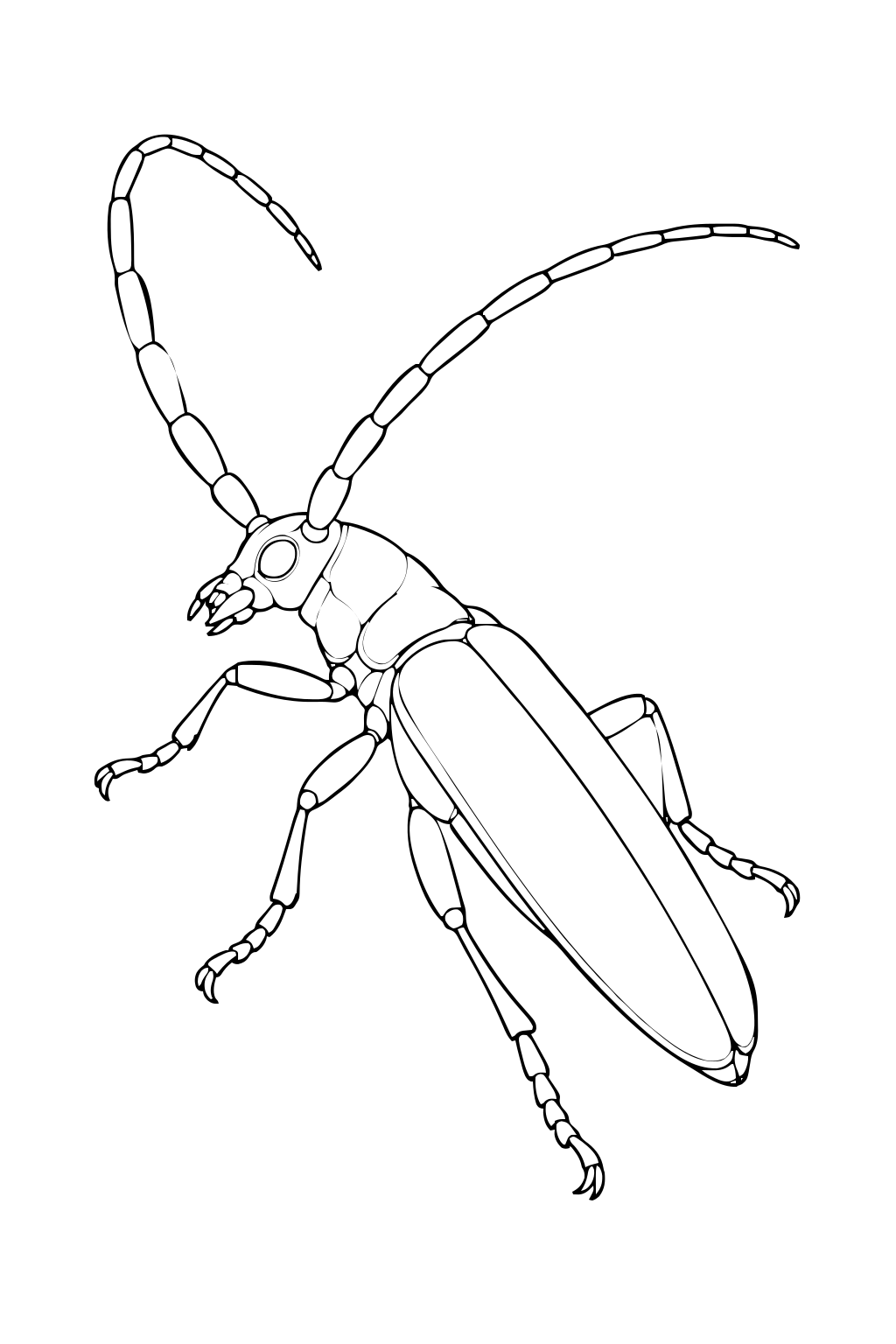 Longhorn Beetle Coloring Page
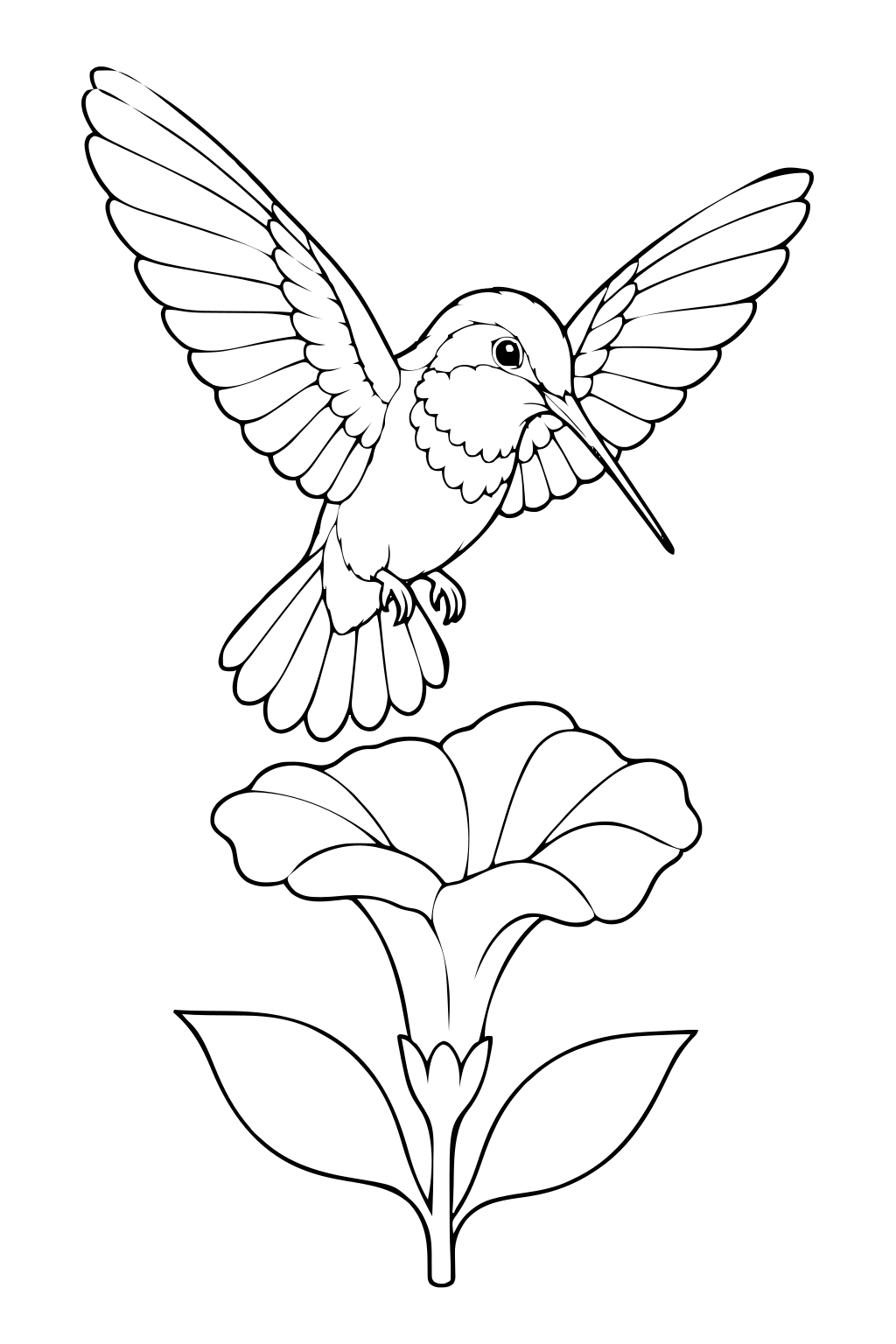 Hummingbird Coloring Page
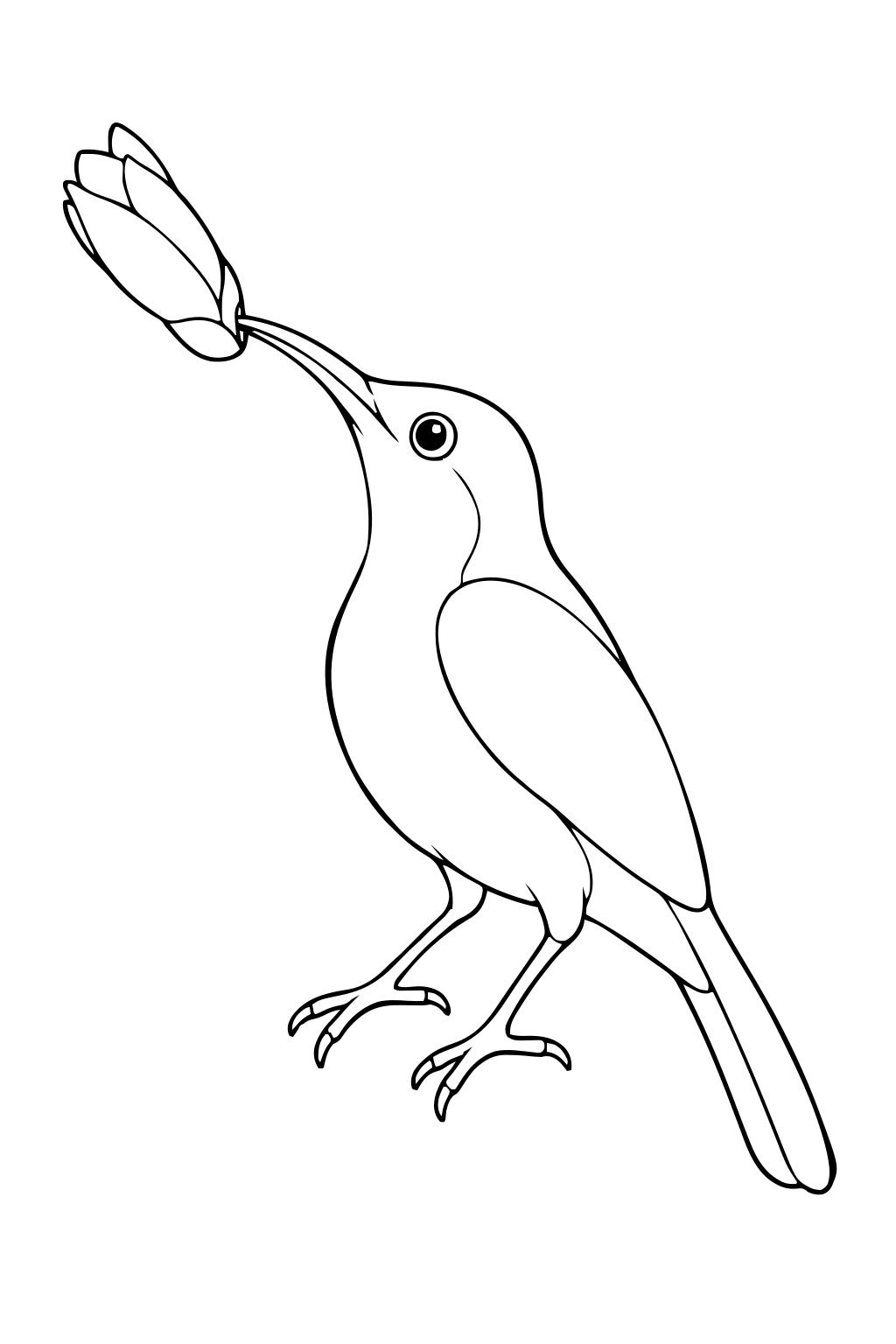 Sunbird Coloring Page
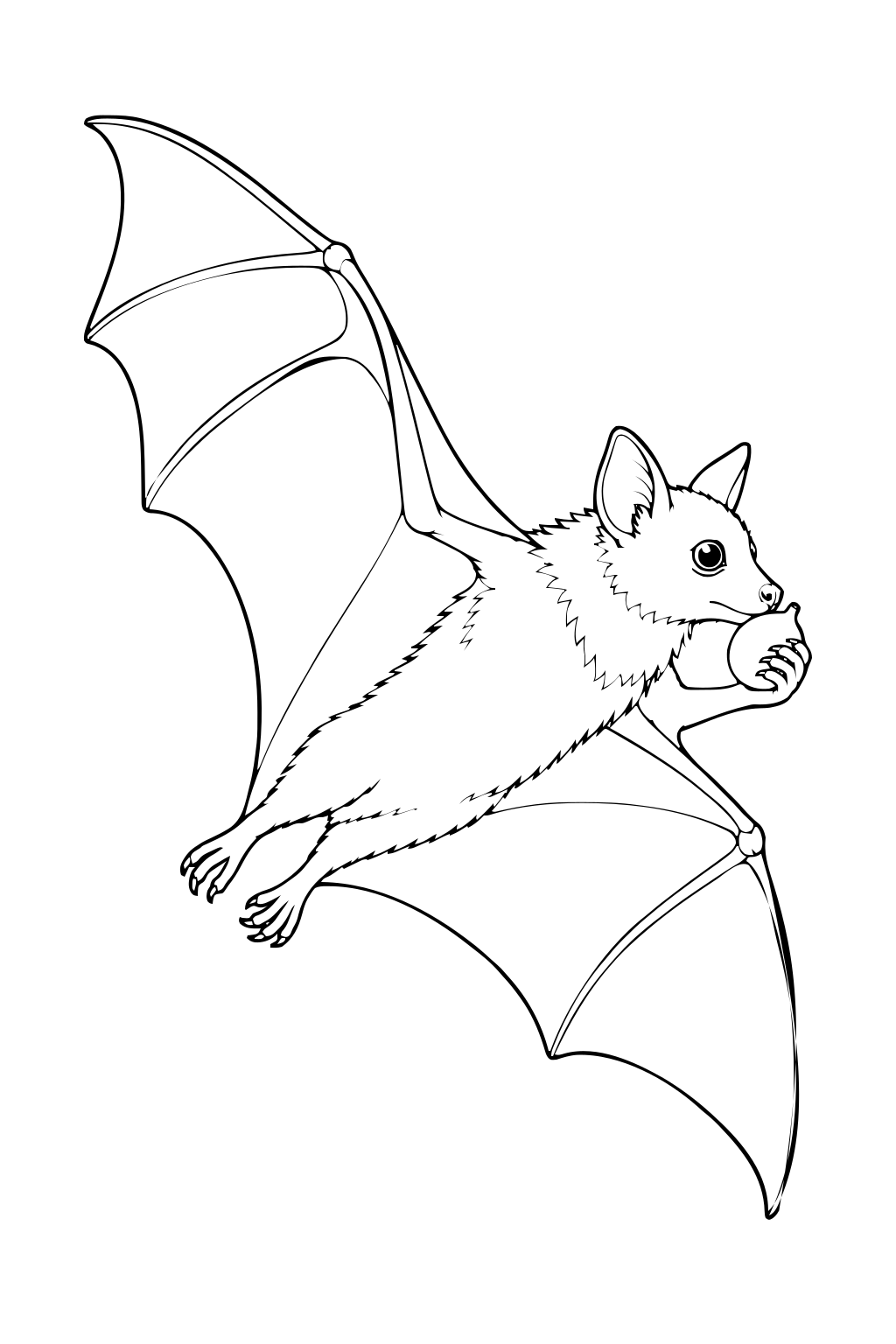 Fruit Bat Coloring Page
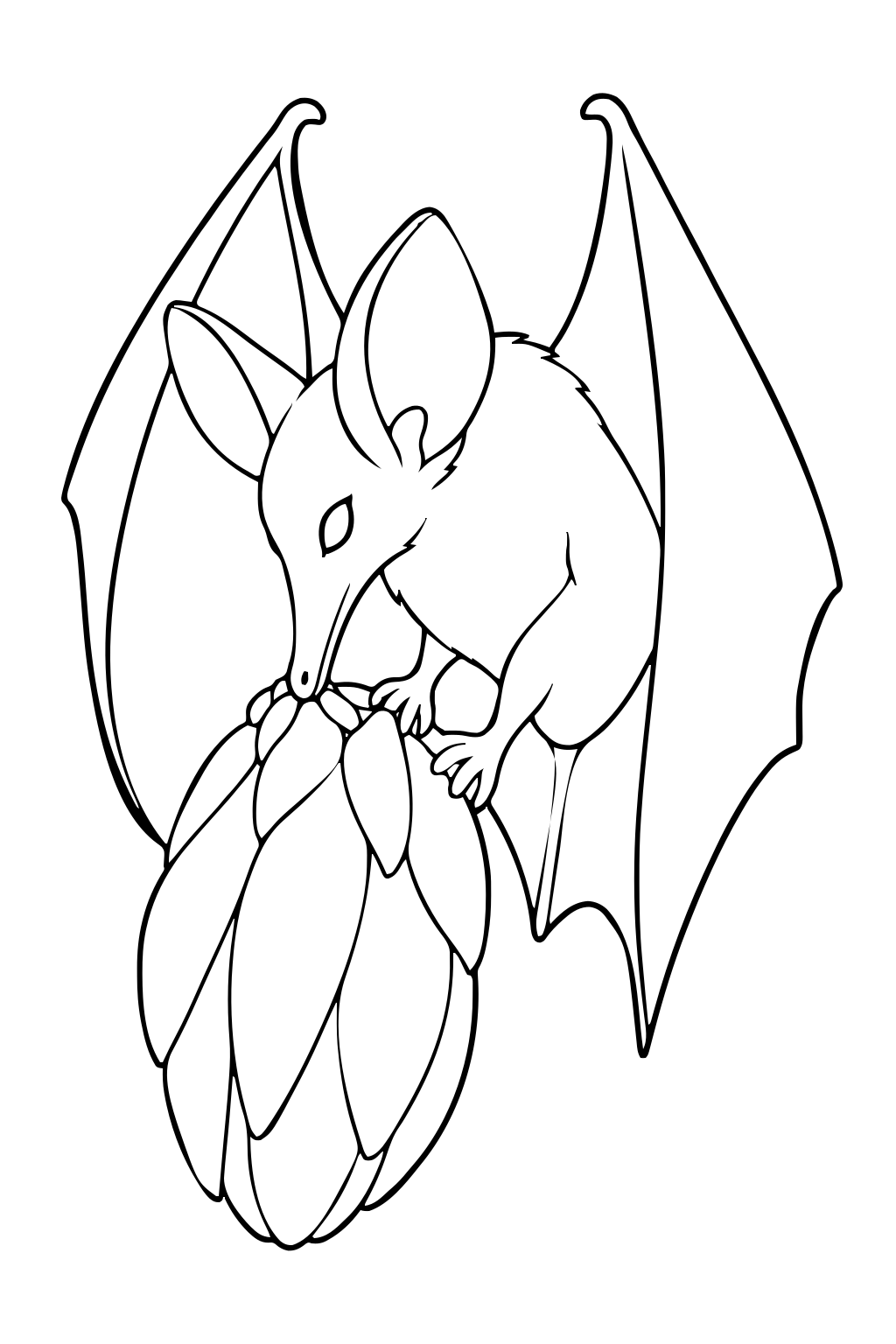 Lesser Long-Nosed Bat Coloring Page
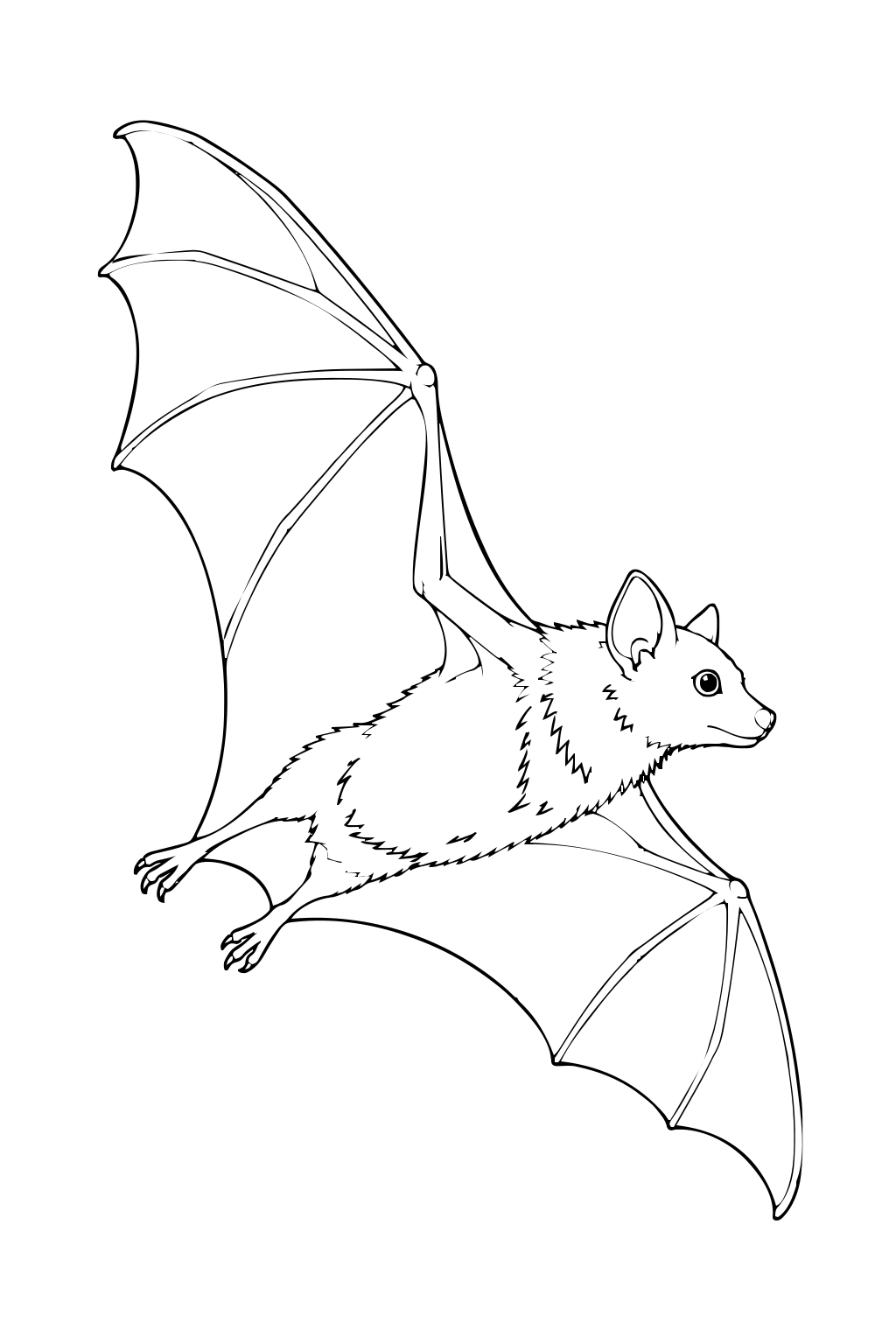 Straw-Colored Fruit Bat Coloring Page
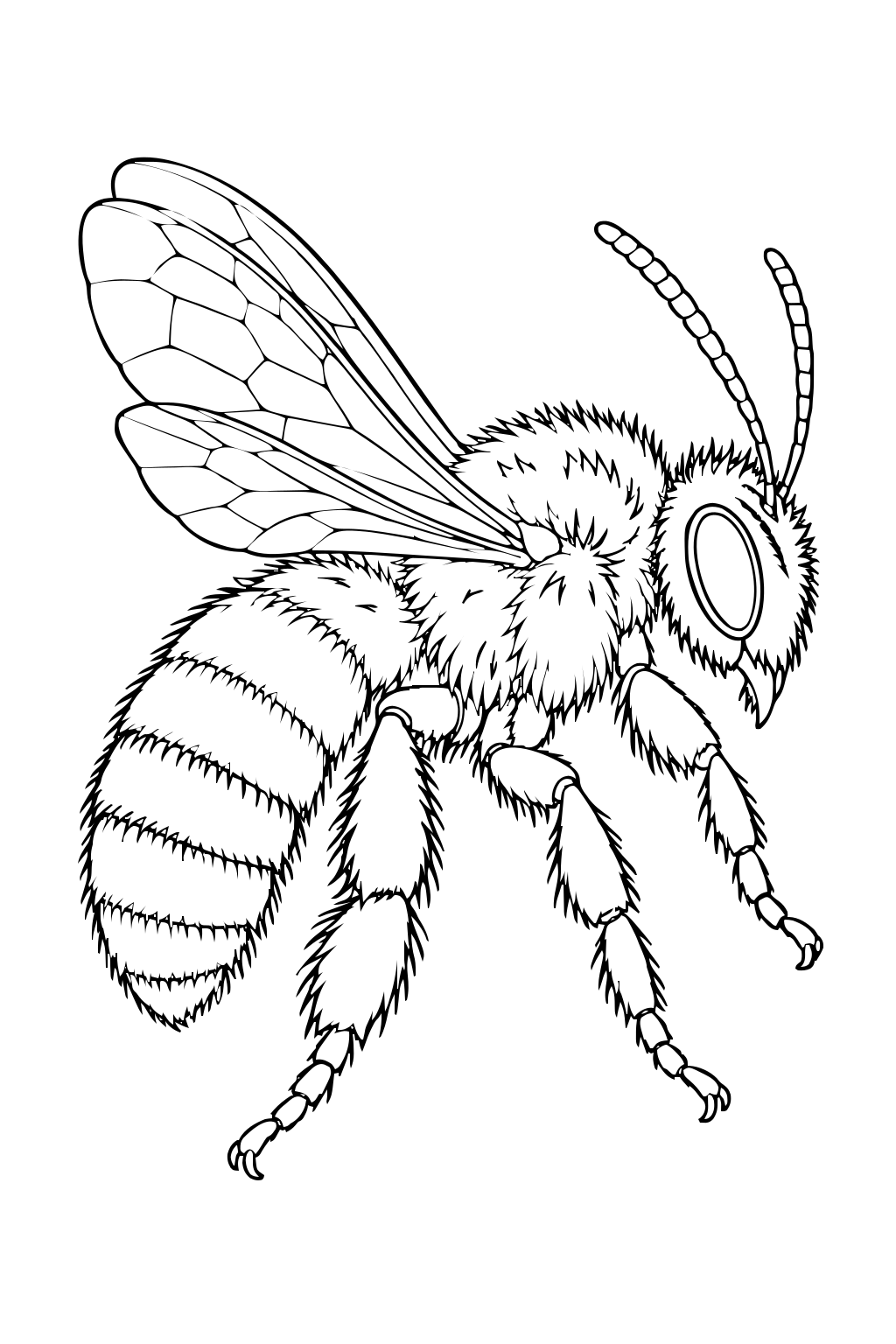 Mining Bee Coloring Page
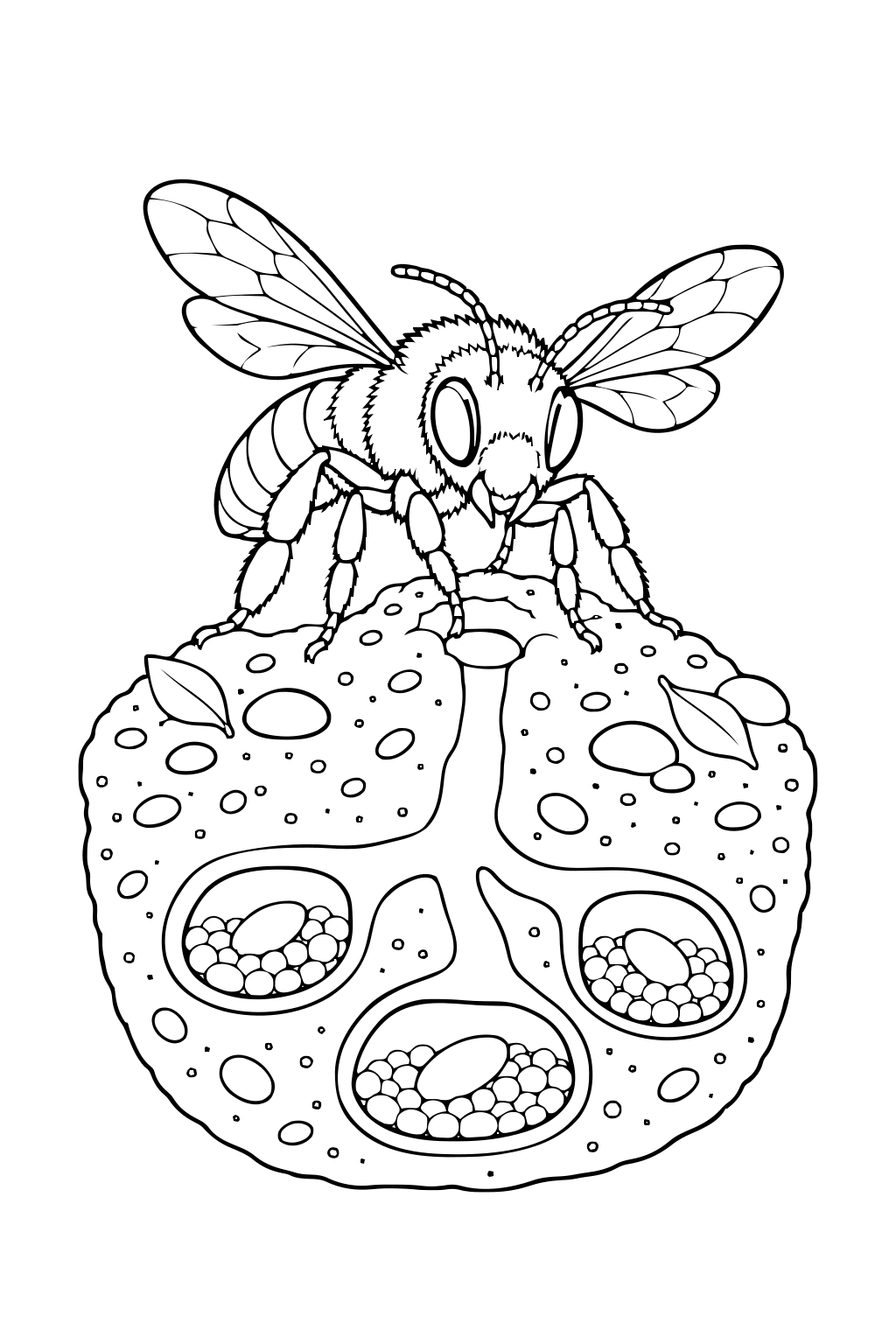 Digger Bee Coloring Page
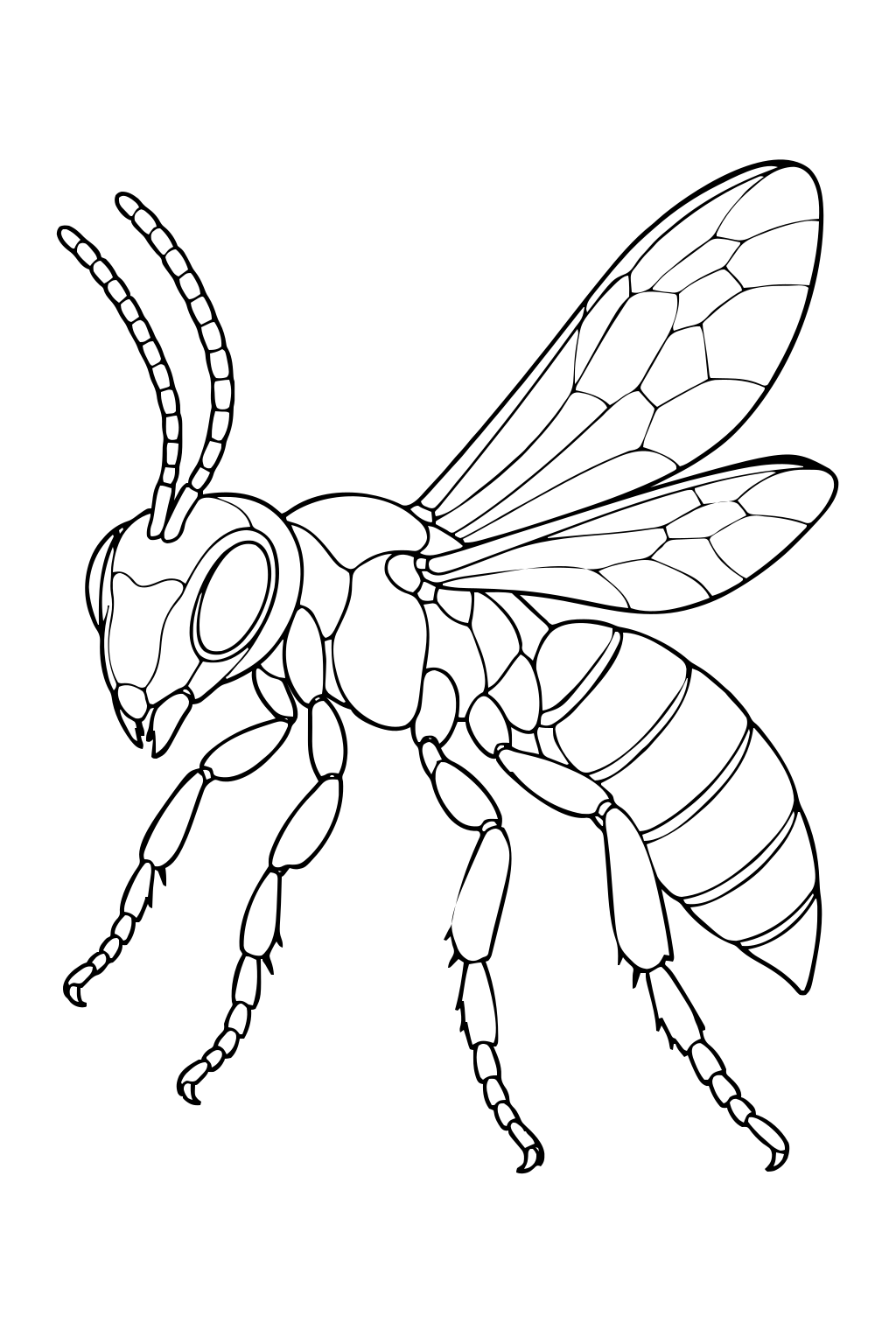 Yellow-Faced Bee Coloring Page
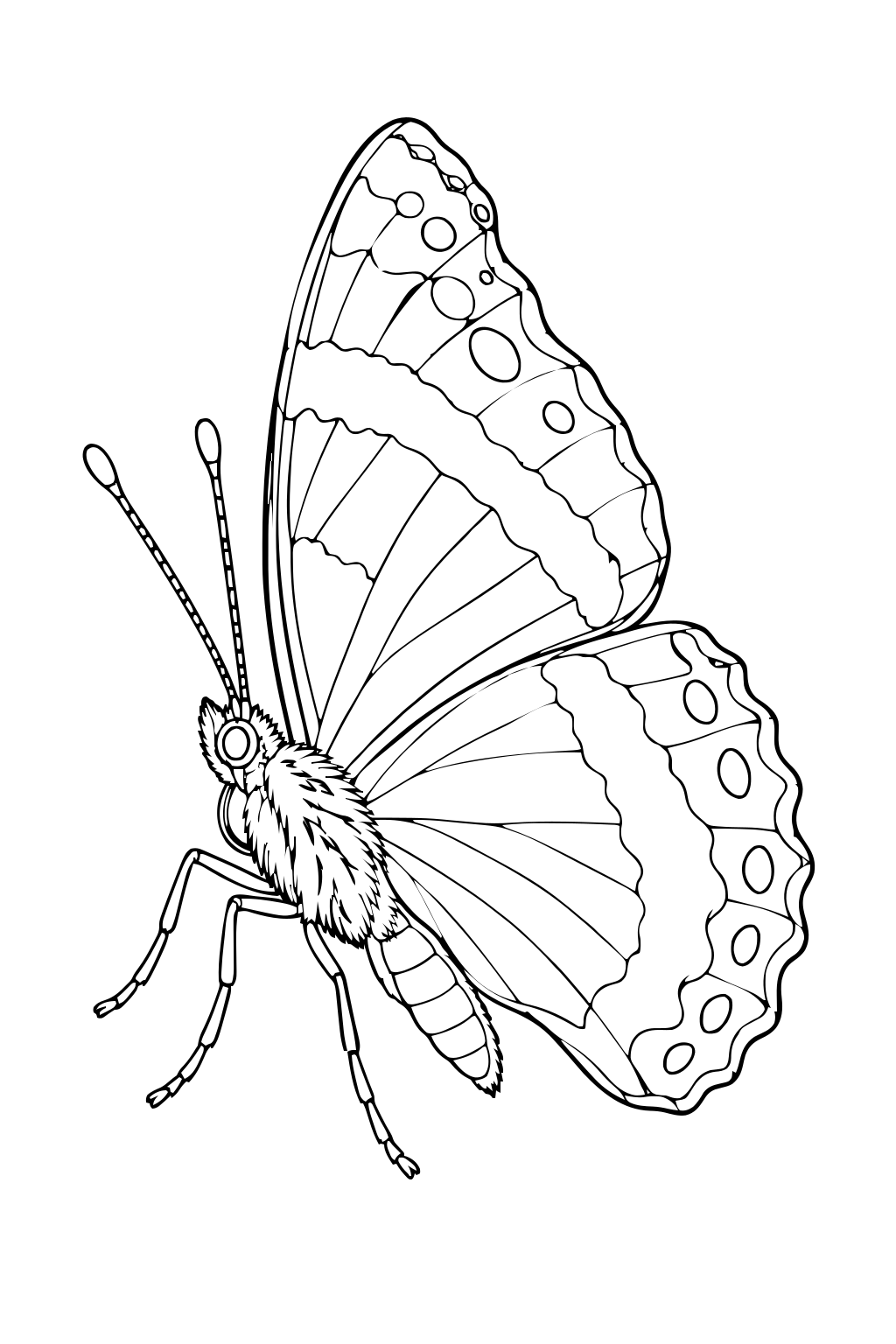 Red Admiral Butterfly Coloring Page
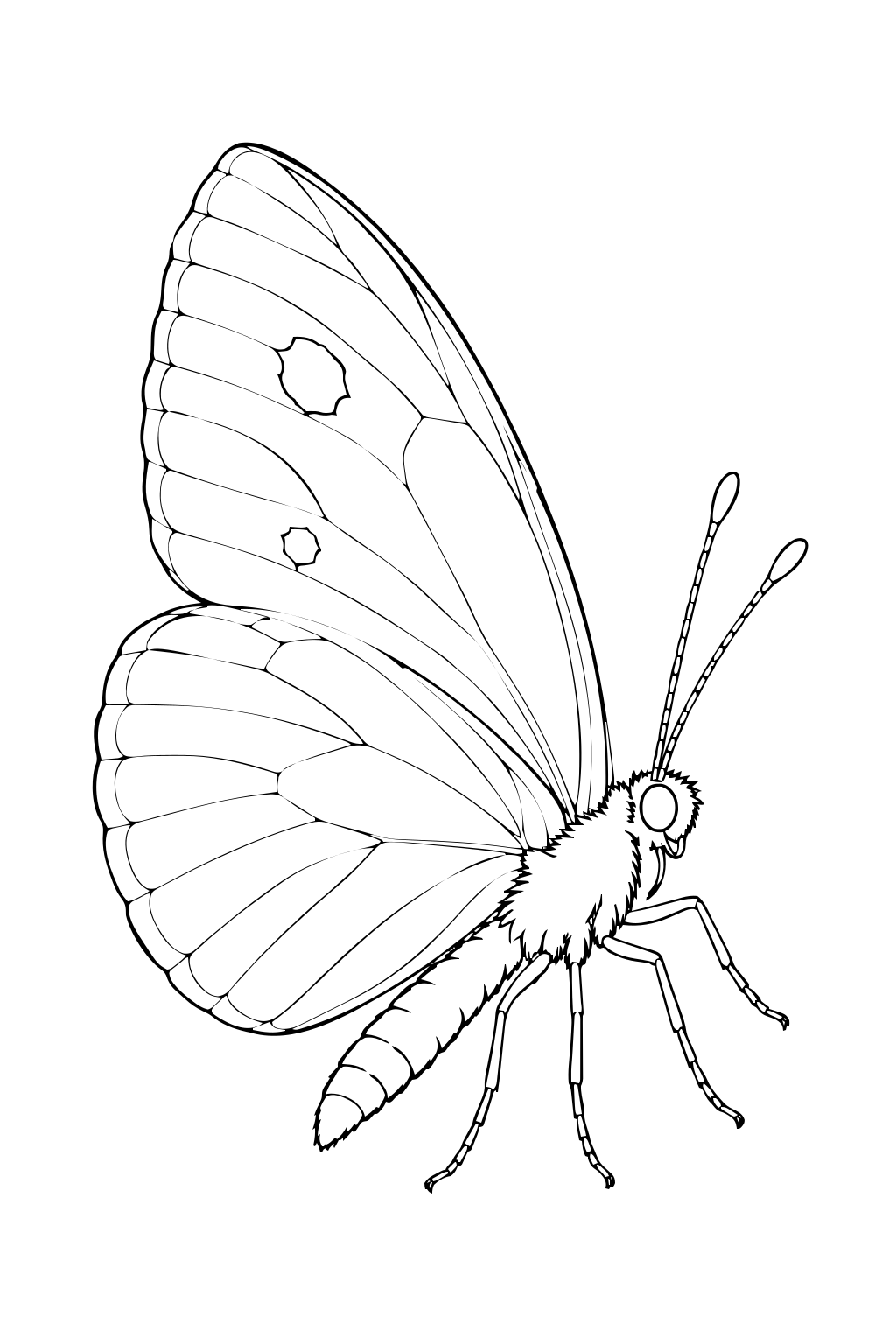 Cabbage White Butterfly Coloring Page
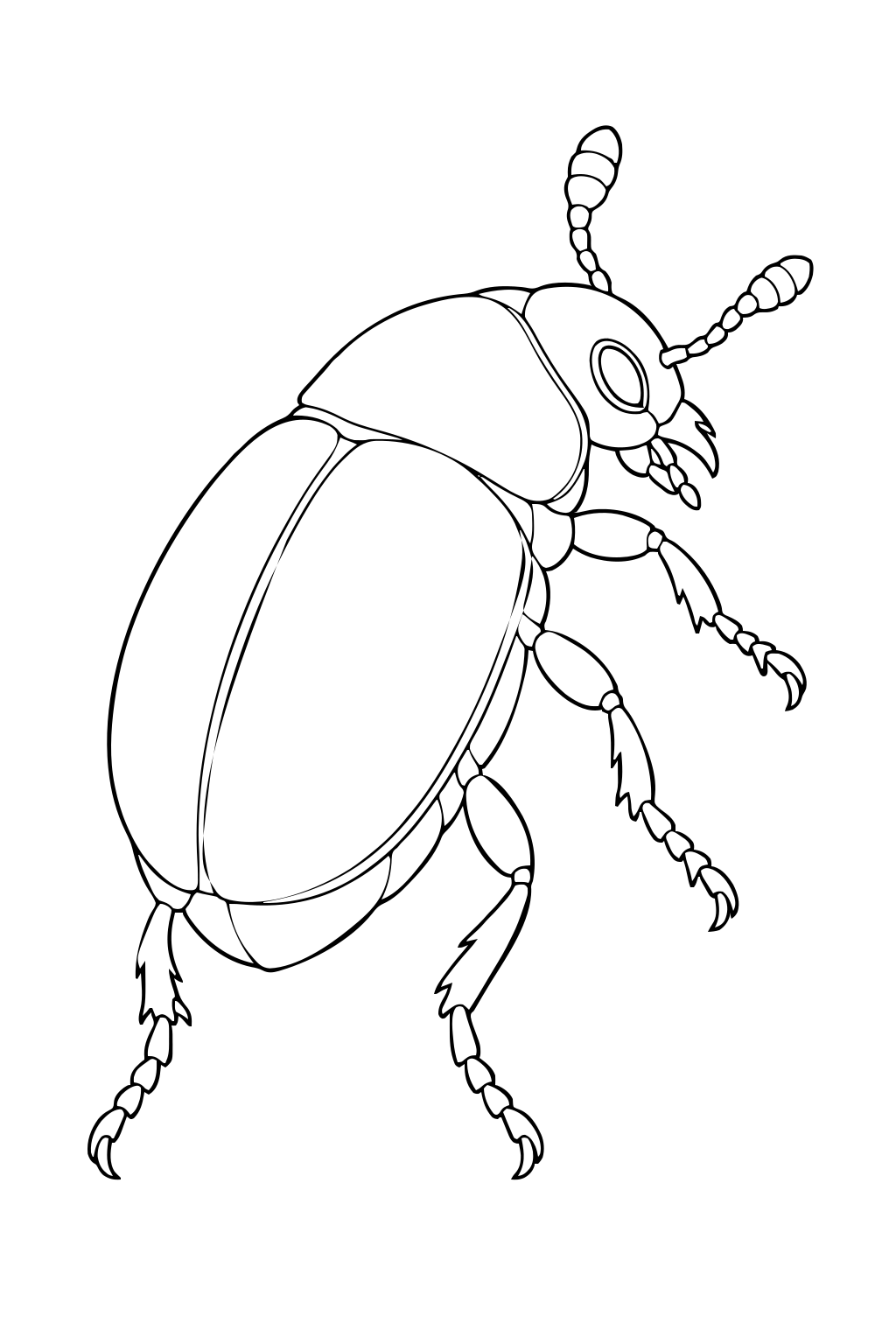 Pollen Beetle Coloring Page
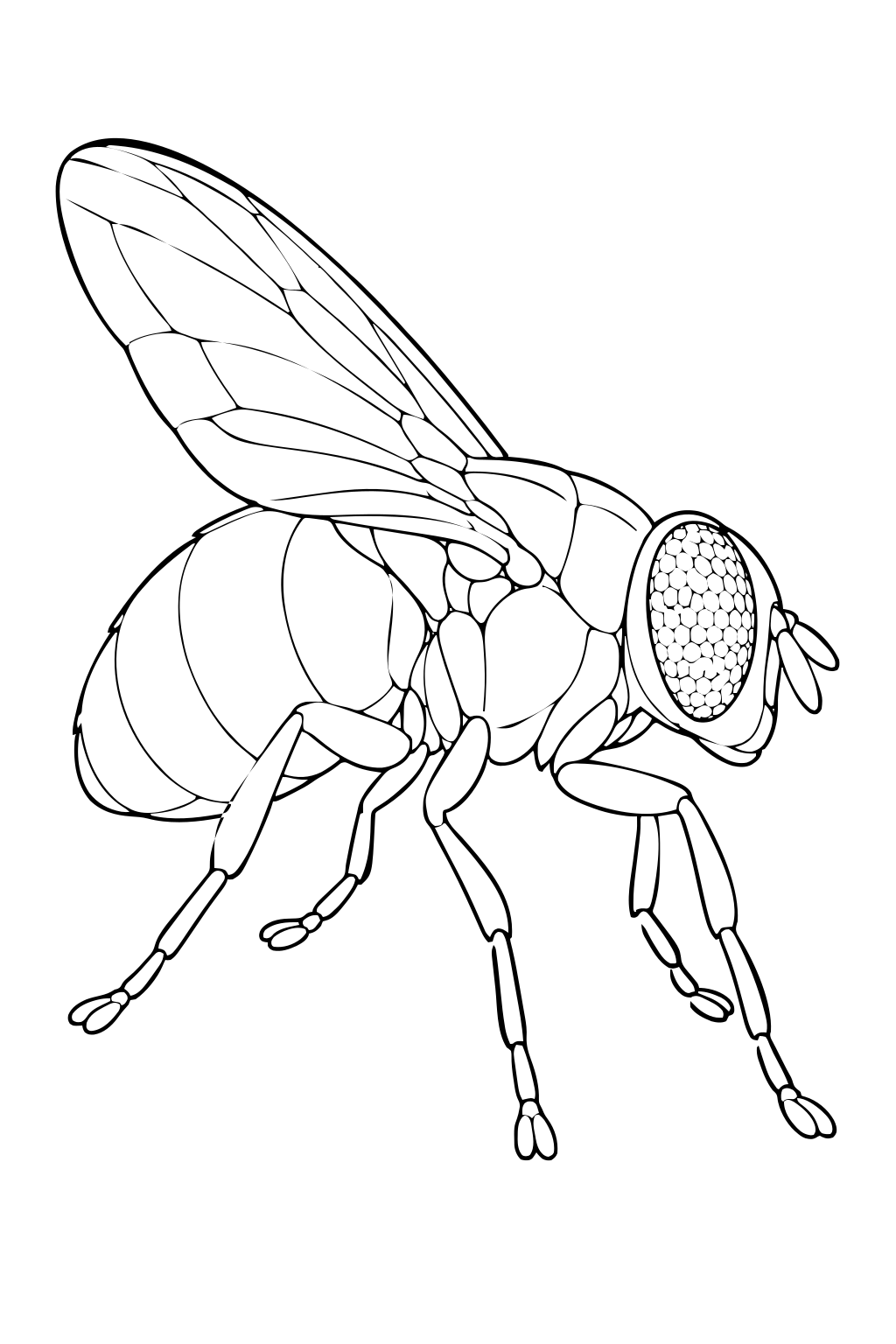 Green Bottle Fly Coloring Page
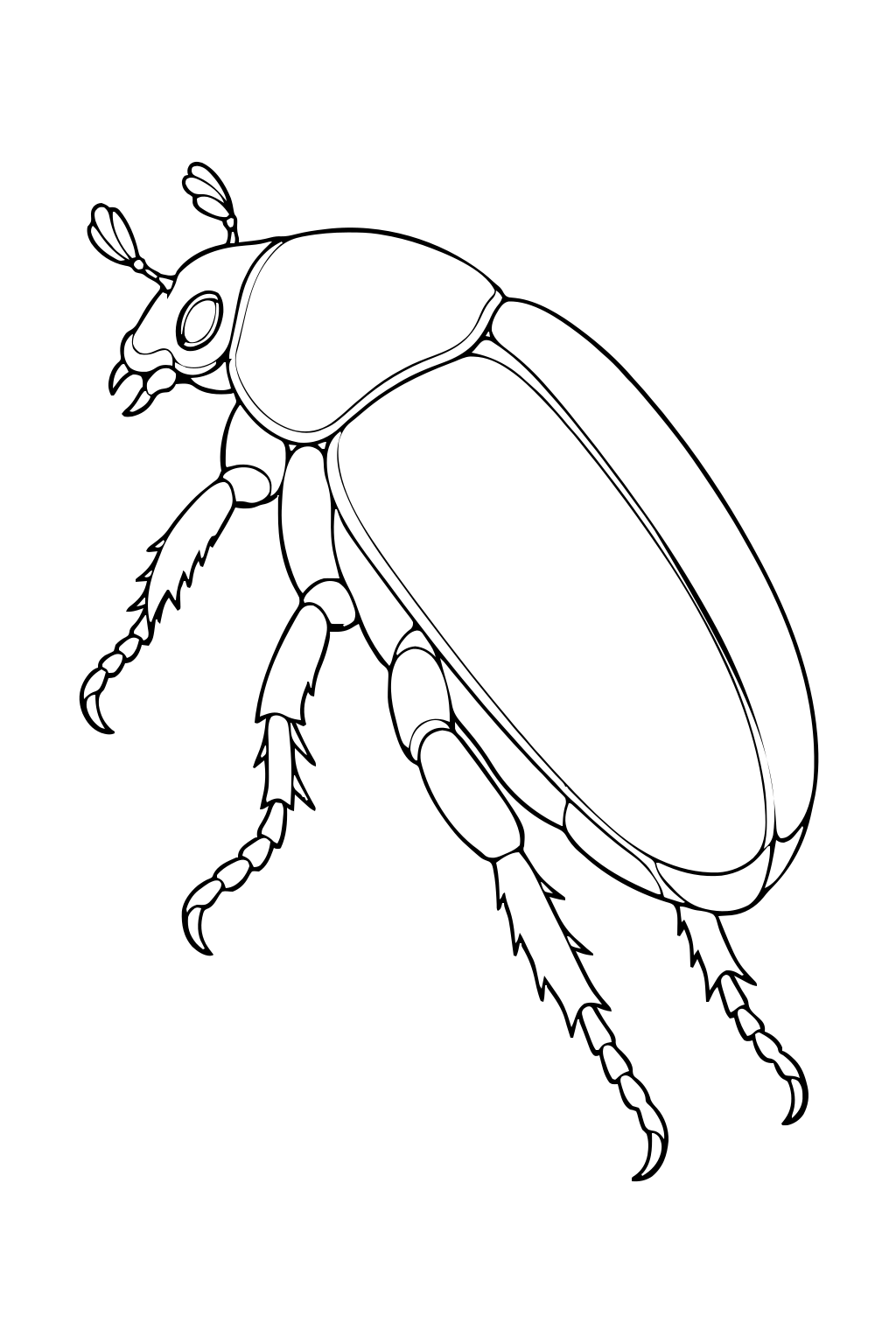 Rose Chafer Beetle Coloring Page
Frequently asked questions
What is pollination?
Pollination is the transfer of pollen from one flower to another flower of the same species. It allows many plants to produce seeds and fruit. Wind and water can move pollen, while animals often carry it on their bodies as they visit flowers for food.
Which pollinators and flower visitors are included in the collection?
The 30 pages include bees and other insects, butterflies, moths, hummingbirds, sunbirds, and fruit bats. Many are pollinators or flower visitors, but not every species transfers pollen in the same way. Some pages are included for comparison: adult blue morpho butterflies feed mainly on decaying fruit, while adult Atlas moths do not feed.
Why are pollinators important?
Pollinators help flowering plants reproduce. Their work supports wild plants and many crops, and it connects animals, flowers, seeds, and food webs. Healthy habitats provide pollinators with flowers, shelter, and safe places to reproduce.
How can this collection support a nature lesson?
Use the pages to sort animals by body type or time of activity, compare different flower visitors, trace a simple pollination story, and discuss what a pollinator needs from its habitat. Children can also draw a flower and label the pollen, nectar, and visiting animal.
What materials and activities work well with these pages?
Print the pages on ordinary paper and use crayons, colored pencils, or washable markers. For a group activity, pair each page with a real flower photograph or a short observation outdoors, without touching animals or disturbing flowers and nests.